
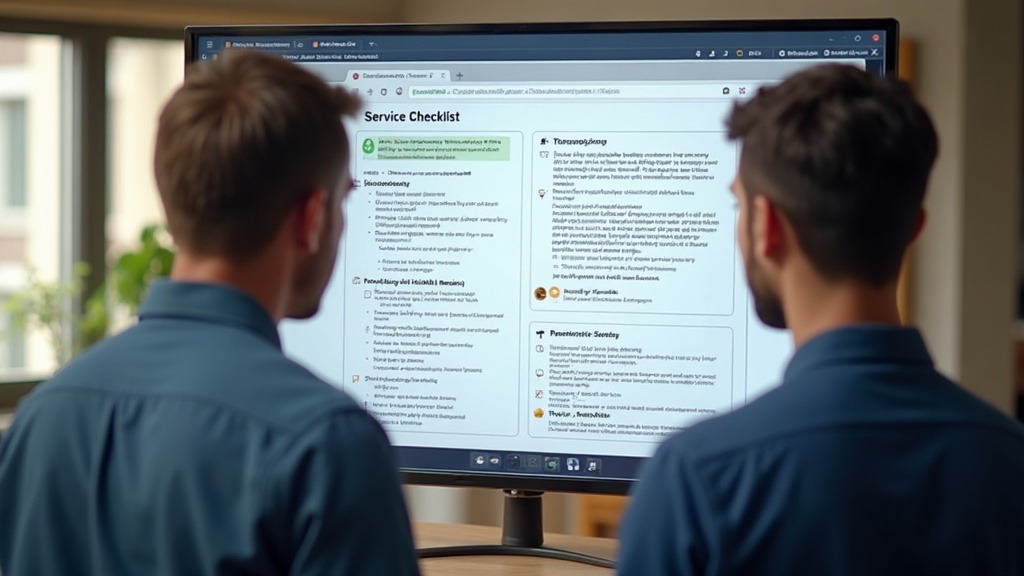
What On-Page SEO Fixes Matter Most on a Remodeler Website?
A plain-English priority list for making remodeler service pages clearer to Google and easier for homeowners to use.
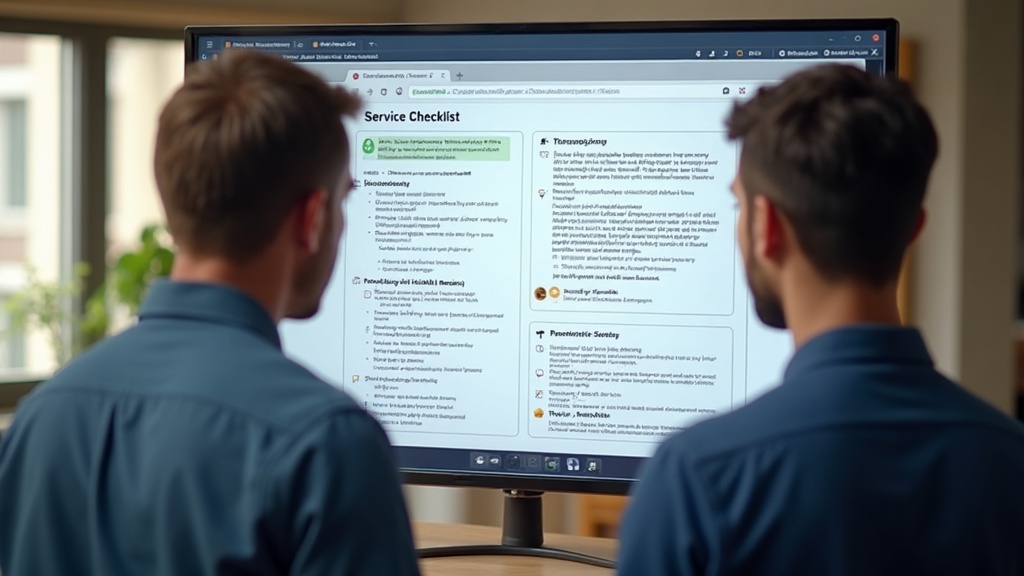
Most remodeler websites are not losing search visibility because they lack clever SEO tricks. They are losing because the pages are unclear.
The most important on-page fixes are the ones that make each service page easier to understand: a clear title tag, one obvious H1, useful headings, plain service copy, internal links, descriptive image details, and basic local structure where it fits.
Here’s what that means for your outfit: if a homeowner lands on your kitchen remodeling page, they should know what you do, where you do it, what kind of scope you handle, what proof you have, and what to do next.
This is straight talk. You do not need a 4,000-word service page stuffed with every keyword under the sun. You need a page that helps a qualified lead decide whether your bid is worth requesting.
Why on-page SEO is really about clarity
Technical SEO for remodelers sounds bigger than it usually is. On a normal remodeling website, most early wins come from cleaning up confusion. A page should not make Google or a homeowner guess what the service is.
Look at one service page. Can you tell in five seconds what it is about? Does the headline match the service? Does the first paragraph name the homeowner problem? Does the page say what kind of project you actually want? If not, the page is doing extra work and losing trust.
The service
Kitchen remodeling, bathroom remodeling, basement finishing, additions, design-build, exterior remodeling, or another clear offer.
The market
The city, area, or service region where the work actually happens. Do not fake local relevance.
The scope
A cosmetic refresh is not the same as a full gut remodel. Say what kind of work fits your outfit.
The proof
Photos, process notes, reviews, project examples, and internal links build trust.
Here’s what the data shows in audits I run: the page that should bring in your next job is often buried under vague copy, weak headings, and a title tag that could belong to any contractor in any city.
I keep seeing remodelers with strong portfolios and weak service pages. The work is worth a serious bid, but the page reads like it was written before the company knew what kind of projects it wanted.
Title tags and headings that match intent
Your title tag and headings should match what the homeowner is trying to find. A title tag is not the place to be clever. It should tell Google and the searcher what the page covers.
- Kitchen Remodeling in [City] — for a page focused on kitchen projects in one service area.
- Bathroom Remodeler in [City] — for a page with actual bathroom project proof.
- Basement Finishing Contractor in [City] — for a page that explains scope, process, and local fit.
- Design-Build Remodeling in [City] — for an outfit that truly handles planning and construction together.
Then make the H1 match the page. One page. One main idea. If the H1 says “Services” and the page tries to rank for kitchen remodeling, bathroom remodeling, and additions all at once, the page is asking too much.
Use H2s to break the page into decisions the homeowner cares about: scope, process, project examples, service area, timeline factors, FAQs, and next step. That is service page SEO without the fluff.
Internal links that guide users
Internal linking is not just an SEO move. It is a user path. A homeowner should never hit a dead end on a serious service page.
If you have a main SEO and organic growth page, connect it to deeper pages like on-page technical SEO, local SEO, and website content. The same idea applies to a remodeler website: connect service pages to project proof, process pages, local pages, and related FAQs.
Link from broad to specific
Your remodeling services overview should point to the pages for each major service you want to sell.
Link from proof to service
A project story should point back to the service page that matches the work.
Link from FAQ to next step
A budget or timeline answer should point the homeowner toward the relevant service page or planning path.
Use real anchor text
“Kitchen remodeling process” tells the reader more than “click here.” Keep it natural.
Here’s what that means for your outfit: internal links should move a homeowner from curiosity to fit. Not every click is a CTA. Some clicks reduce fear before the call.
Image details that support project proof
Image SEO for remodelers starts with a simple rule: your project photos should help people understand the work. A finished kitchen photo with the file name “IMG_4821.jpg” is wasted context.
Rename key images before upload when it makes sense. Use alt text that describes the image plainly. Do not stuff keywords. If the photo shows a two-tone kitchen remodel with a large island and new lighting, say that.
- File name: city-kitchen-remodel-island-lighting.jpg
- Alt text: Completed kitchen remodel with large island, new cabinets, and warm pendant lighting.
- Caption when helpful: Full kitchen remodel with layout changes, cabinet replacement, and lighting updates.
- Nearby copy: Explain the scope, not just the look.
Good photos do more than decorate the page. They prove you can handle the scope. They show fit. They help the homeowner picture what kind of job schedule and finish level you understand.
What Bradd would fix first
If I were looking at your website for one focused quarter, I would not start by touching every page. I would start with the pages most tied to right-fit demand.
- Pick the top five money pages Choose the service pages that should produce the best jobs: kitchen, bath, basement, additions, design-build, or the trade you actually want more of.
- Rewrite the first screen Make the headline, first paragraph, location, proof, and CTA clear before anything else.
- Fix the title tag and H1 Match the actual search intent. Do not make Google guess.
- Clean the H2 structure Use headings that answer homeowner questions about scope, process, proof, service area, and next step.
- Add internal links Connect each page to related content, local pages, project proof, and service pages.
- Improve image context Rename key files, add useful alt text, and explain the scope near the photo.
- Run a page audit Use a focused strategy and audit pass to catch missing titles, duplicate headings, thin copy, dead ends, and local clarity gaps.
Schema will not fix a weak page. Clean the page first. Mark it up second. A page still needs visible copy that says what you do, where you work, and what kind of project you want.
Frequently asked questions
What is on-page SEO for remodelers?
On-page SEO for remodelers means improving the visible page content and page signals that help Google and homeowners understand the service, scope, location, proof, and next step.
What should I fix first on a remodeler service page?
Start with the title tag, H1, first paragraph, H2 structure, service clarity, internal links, and image details. Those fixes usually matter more than advanced technical tweaks early on.
Do remodeler title tags need city names?
Use a city or service area when the page is truly local and supported by real service-area context. Do not add city names to fake local pages just to chase searches.
How many internal links should a service page have?
Use enough internal links to guide the homeowner to related services, project proof, FAQs, and local context. There is no magic number. The link should help the reader.
Does image alt text help remodeler SEO?
Alt text can help describe images and improve accessibility. For remodelers, it should describe the actual photo and project detail without keyword stuffing.
Should I add FAQ schema to every page?
Only add FAQ markup when the page includes real, useful questions and answers. Schema should support helpful content, not cover for thin content.
Your website should make the next right-fit project easier to understand.
Wondering what your remodeling marketing is actually missing? I’ll tell you in 30 minutes — no pitch, just a real look at your situation. If your service pages are vague, here’s what I’d do.