

How Can Remodelers Show Up for More Local Searches Without Chasing Every Keyword?
A practical local SEO guide for remodelers who want stronger visibility in the right service areas without chasing every keyword.
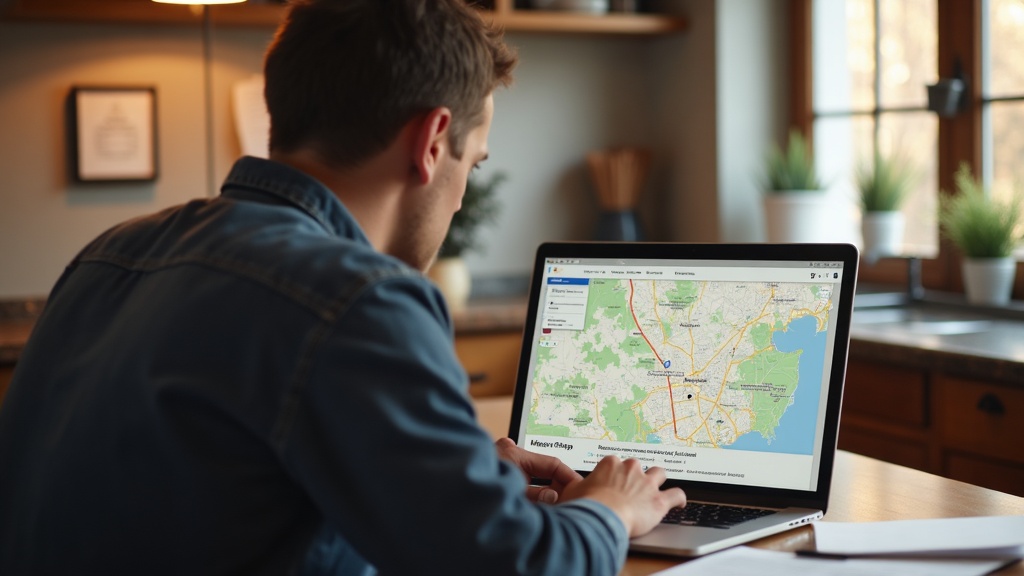
Most remodelers do not need more keywords. You need clearer local signals around the services and service areas that actually produce right-fit projects.
Local SEO for remodelers works best when Google and homeowners can quickly understand what you do, where you work, what proof you have, and why your business is a credible fit. That comes from service pages, Google Business Profile consistency, reviews, project proof, local relevance, and helpful supporting content.
Here’s what that means for your outfit: stop chasing every city and every phrase. Build a focused local structure around the markets where you can win, serve well, and protect the job schedule.
Let’s look at what I would fix before adding another random location page.
Why local SEO is not just city pages
Here is the straight talk: local SEO for remodelers is not a game of making 40 thin pages with different city names and hoping Google rewards the pile.
That kind of strategy looks busy. It rarely builds trust. A homeowner can feel when a page says the same thing as every other page with one suburb swapped in. Google can read that pattern too.
Good local SEO starts with clarity. What do you do? Where do you actually work? Which services are worth showing up for? What proof do you have in those areas? Which pages should Google treat as the main service pages?
Here’s what that means for your outfit: you do not need to chase every keyword. You need a focused structure that connects service clarity, service area relevance, project proof, reviews, Google Business Profile, and supporting content. That structure makes it easier for a right-fit homeowner to find you and easier for Google to understand you.
The local SEO mistake I keep seeing is remodelers trying to rank in every city within driving distance while the main kitchen, bath, or basement pages barely explain the actual scope. That is backwards. Fix the service foundation before you multiply location pages.
What Google needs to understand about your remodeling business
Google does not know your business the way a referral does. It reads signals. Your job is to make those signals clear and consistent.
For a remodeler, those signals usually fall into six buckets.
Service clarity
Are you a kitchen remodeler, bathroom remodeler, basement finisher, design-build firm, addition contractor, or general remodeling outfit? Your pages should say it clearly.
Location relevance
Where do you work most often? Which cities, neighborhoods, or service areas matter to your pipeline? Do not hide the real market behind vague language.
Business accuracy
Your business name, phone, website, hours, categories, and service area need to be consistent across Google Business Profile and the website.
Project proof
Finished projects, jobsite photos, before-and-after context, and service-specific galleries help homeowners see that you do the work you claim.
Review depth
Reviews should support the kind of work you want. A review that mentions communication, kitchen scope, cleanliness, or timeline does more than a vague star rating.
Content support
Helpful articles answer homeowner questions and link back to the service pages. That helps both the reader and the search structure.
Google’s SEO Starter Guide is not written for remodelers specifically, but the direction applies: make pages useful, accessible, descriptive, and easy to understand. For your trade, that means real service information, real local context, and pages that answer the question a homeowner searched.
This is why on-page and technical SEO still matter. If page titles, headings, internal links, and structure are loose, your local relevance gets weaker than it needs to be.
How service pages and Google Business Profile work together
Your Google Business Profile is not separate from your website. It is the front door many homeowners see before they ever land on the site.
If your profile says “general contractor,” your website says “design-build remodeling,” your service pages focus on kitchens, and your photos are mostly decks from five years ago, the signals are muddy. Muddy signals make both homeowners and search engines work harder.
The cleaner setup is simple.
- Pick the right primary category Your category should describe what the business is, not every service you have ever done. Google’s business guidance says categories should represent the business clearly, not act like keyword stuffing.
- List the services that match the work you want If kitchens, baths, basements, and design-build are the right-fit projects, those should be visible on the profile and supported by real website pages.
- Use service pages as the deeper proof A profile can introduce the business. The service page should explain scope, process, proof, local fit, FAQs, and next steps.
- Keep photos aligned If the goal is bigger remodeling work, stop letting old repair photos define the profile. Show the kind of work you want more of.
- Link content back to the right pages Blog posts, project stories, and FAQs should send the homeowner toward the relevant service page, not leave them at a dead end.
This is where Google Business Profile, profile optimization, and organic site structure work together. The profile builds the first impression. The site confirms the fit.
Where reviews and project proof fit
Reviews and project proof do different jobs, but both matter.
Reviews tell a homeowner what it felt like to work with you. Project proof shows whether you do the kind of work they want. Together, they reduce risk before the first call.
- Review language: mentions communication, cleanliness, scope clarity, problem-solving, timeline, and project type.
- Project photos: show real kitchens, bathrooms, basements, additions, or design-build work in your actual service area.
- Project captions: explain the challenge, the decision, the scope, and the result without turning into a sales pitch.
- Service-area context: mention common home types, layouts, constraints, or homeowner priorities when relevant.
- Review responses: stay professional, specific, and calm. A good reply can reinforce the experience without sounding promotional.
Google’s review guidance is worth checking directly because rules and display behavior can change. The practical point for remodelers is stable: ask for honest reviews, do not offer incentives, and reply like a real owner who pays attention.
If you want organic leads for remodelers that are actually worth talking to, review quality matters as much as review count. I would rather see 25 specific reviews about real remodeling work than 60 thin reviews that say “great job” and nothing else.
What Bradd would fix first
If your local search visibility is weak, I would not start by buying another tool. I would run a simple audit and fix the obvious gaps first.
Clarify your money services
Pick the services you want more of and make sure the site has clear pages for them. Thin service pages are the first thing I would fix.
Clean up the Google profile
Check category, business name, phone, website, service area, services, photos, and description. Make it accurate before trying to make it clever.
Add project proof by service
If you want kitchen leads, show kitchen proof. If you want basement finishing, show basement proof. The photo mix should match the pipeline you want.
Build local pages only where they make sense
Create location pages for meaningful markets where you have service relevance, proof, or a strategic reason. Do not build empty pages for every city on the map.
Link the system together
Your service pages, local pages, blog posts, and Google profile should reinforce each other. That is where strategy and audits earn their keep.
Local SEO is not magic. It is consistency, clarity, and proof repeated across the places homeowners already check. Do that for one focused quarter and you will usually see where the pipeline was leaking.
The goal is not more searches from everywhere. The goal is more right-fit homeowners in the areas where your crew can do steady work without wrecking the job schedule.
I would choose the 3 service areas that matter most, clean up the 4 core service pages, align the Google profile, add project proof, and build supporting content around the questions homeowners ask before a real bid. That is a cleaner plan than chasing 100 keywords.
Frequently asked questions
What is local SEO for remodelers?
Local SEO for remodelers is the work of making your business easier to find in the cities and service areas where you actually want projects. It includes service pages, Google Business Profile accuracy, reviews, project proof, local content, on-page SEO, and consistent business information.
Do I need a page for every city I serve?
Not always. You need useful local pages for the markets that matter, not thin pages for every city name you can think of. A good local page should connect a real service, real local context, and a real next step.
How does Google Business Profile support local SEO?
Your Google Business Profile helps Google and homeowners understand your business category, service area, phone, website, reviews, photos, and activity. It works best when the information matches your website and the projects you actually want.
What should a remodeler put on a local service page?
A local service page should explain the service, the area served, common home or project conditions in that area, project proof, process, FAQs, and a clear CTA. It should not be a generic city-name swap.
Are reviews part of local SEO?
Yes. Reviews are trust signals for homeowners and support local decision-making. The review language can also reinforce service types, locations, and experience, especially when you respond professionally and consistently.
What should I fix first if local rankings are weak?
Start with the basics: correct GBP category, accurate service area, strong service pages, consistent name-address-phone information, project photos, review requests, and internal links from content to service pages.
Curious what a steady backlog actually looks like for your outfit?
Book a 30-minute call — no pitch, just a real look. If your local SEO is scattered across random city pages, weak service copy, and an underbuilt Google profile, here’s what I’d do.