
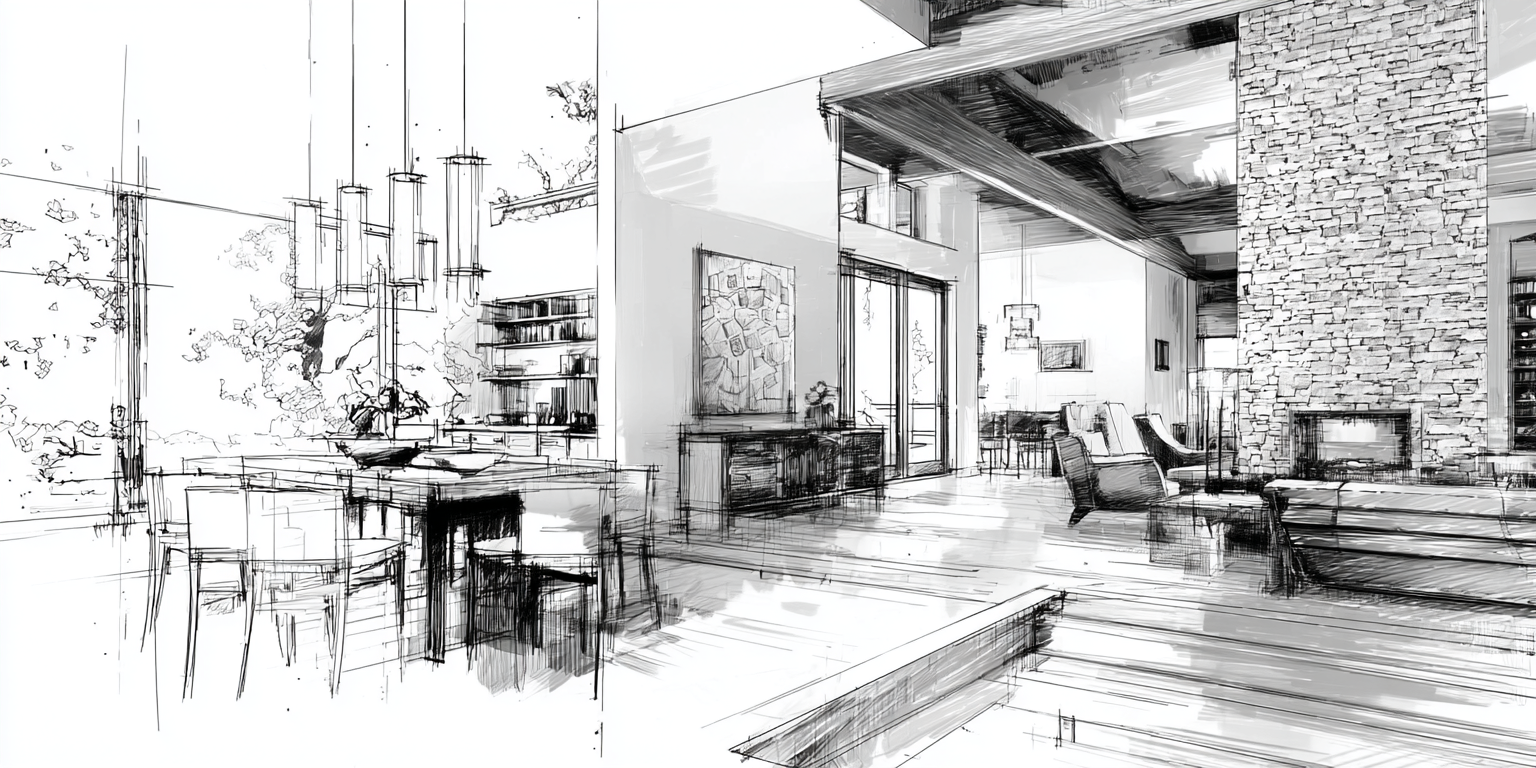
In remodeling, homeowners don’t just buy square footage they buy how a finished space will feel. The fastest way to communicate that feeling is through strong, authentic remodeling photography that shows off light, layout, and craft in a single glance.
Whether they find you through Google, social media, or a referral, most people will judge your work and your brand visuals based on your photos long before they ever speak with you. Sharp, well-composed contractor portfolio photos can justify premium pricing, filter out poor-fit leads, and make it easier for the right projects to say “yes.”
At GYRO (Grow Your Remodel Outfit), we help remodelers turn everyday project photos into a consistent visual system that supports your brand, strengthens your website, and fuels your social content without adding more chaos to your week.
Using Photography to Elevate Your Remodeling Brand
Great photography is marketing gold for remodelers. It does three things at once:
- Shows buyers the quality of your work in seconds, without long explanations.
- Positions you as the “design-forward,” detail-obsessed option in your market.
- Gives you a library of on-brand visuals you can reuse across your website, Google Business Profile, and social channels.
In this guide, we’ll walk through how to balance professional vs DIY photos, simple lighting and framing principles, consistent editing, and project storytelling so your photography actually drives leads and revenue not just likes.
Professional vs DIY Remodeling Photography
You don’t need a full-time photographer on staff to have great photos. But you do need a clear plan for when to invest in professional shoots and when a well-executed DIY approach is enough.
For signature kitchens, whole-home renovations, or projects you want to build campaigns around, professional photography is worth it. These are the projects that anchor your website, case studies, and ads for years.
For everyday bathrooms, smaller updates, and progress shots, a modern smartphone plus good lighting, composition, and editing standards can produce strong, on-brand visuals.
GYRO can help you identify “hero projects” worth professional shoots, while building simple DIY shot lists and guidelines your team can follow on every job.
The goal is consistency. Whether the photos come from a DSLR or a phone, they should feel like they belong to the same remodeling brand, not a random mix of styles and quality levels.
Lighting Basics for Remodeling Photography
Light is the difference between “looks fine” and “I need that kitchen.” You don’t have to become a lighting expert, but a few simple rules will make your remodeling photography dramatically stronger.
Simple lighting rules your crew can follow:
- Use natural light first: Shoot during the day and open blinds to let in soft, indirect light. Avoid harsh midday sun that creates strong streaks and shadows.
- Avoid mixed color temperatures: If possible, turn off overly warm or overly cool lights that fight with daylight and make walls look patchy.
- Face the light, don’t shoot into it: Stand with windows behind you or to your side. Shooting directly into bright windows usually creates silhouettes and blown-out highlights.
- Watch for hotspots: Stainless steel, glossy tile, and glass can reflect bright white spots. Adjust your angle slightly to reduce distracting glare.
- Keep ISO low when you can: On phones, tap to focus and slightly lower exposure so bright areas don’t blow out. Dark can be edited; lost detail cannot.
When lighting feels intentional, homeowners subconsciously connect that same care to your construction quality and attention to detail.
Framing Projects So People Can “Feel” the Space
Framing is about making sure homeowners can instantly understand the layout, scale, and flow of a room. A few simple habits go a long way.
Must-have angles for contractor portfolio photos
- Wide “room story” shots: Show the whole space from a corner or doorway. Homeowners should understand where the kitchen, island, and dining area sit in relation to each other.
- Purposeful medium shots: Focus on one zone at a time: the vanity wall, the cooktop, the mudroom lockers, or the fireplace surround.
- Detail close-ups: Zoom in on cabinet profiles, tile patterns, hardware, grout lines, and joinery to show the craft.
- Before vs after from the same angle: Whenever possible, capture before and after from nearly identical spots so the transformation is obvious.
Random angles that cut off cabinets, crop out key fixtures, or make rooms feel cramped and confusing.
Clean, straight lines, intentional vantage points, and clear storytelling through wide, medium, and detail shots for every key space.
We help you build per-room shot lists that your team can follow on site, so every project is documented consistently without you having to direct every photo.
Consistent Editing and Brand Visuals
Even great raw photos can feel off-brand if editing is inconsistent. One project looks cool and moody, another warm and saturated, and another heavily filtered like a social post.
To create a recognizable visual identity, aim for:
- Consistent color balance: Whites should look white, not blue or yellow. Countertops, woods, and tiles should resemble real life.
- Balanced contrast: Enough contrast to feel crisp, but not so much that shadows crush or details disappear.
- Moderate saturation: Avoid neon colors. Homeowners want believable finishes, not cartoon versions of their homes.
- Similar crops and horizons: Keep vertical lines (walls, cabinets, door frames) as straight as possible to avoid a “tilted” look.
GYRO can help you define a simple editing style and presets, so whether photos are edited by a photographer, a VA, or someone in-house, they all feel like one cohesive brand.
Tell a Project Story, Not Just Show a Pretty Room
The strongest brand visuals don’t just show a finished room they tell the story of the homeowner’s problem, your solution, and the transformation step by step.
-
Start with the “problem” view
Capture the “before” from the same angle as your final hero shot. This gives context and makes the transformation dramatically more compelling. -
Document key milestones
Take photos when walls are opened, plumbing or electrical is reworked, and finishes start going in. These prove the quality behind the final layer. -
Highlight the details that matter to the client
If the homeowner obsessed over storage, sightlines, or specific finishes, capture close-ups that highlight those decisions. -
End with the “hero” sequence
Deliver a small set of polished wide, medium, and detail shots that show the finished space in its best light.
When your photography follows a story arc, it becomes easy to repurpose for case studies, social carousels, and project pages that feel more like narratives and less like photo dumps.
Where Your Photos Should Live Across Your Brand
Strong contractor portfolio photos work hardest when they’re used intentionally across all of your marketing, not just on one gallery page.
High-impact placements for remodeling photography
- Your website homepage and key service pages: Lead with your best kitchen, bath, or whole-home project. Tie those visuals into messaging that speaks to your ideal client. GYRO’s Website Design and Development and Logo and Visual Systems work together to keep everything on-brand.
- Project galleries and case studies: Turn your best projects into dedicated story pages with before/after, process shots, and homeowner quotes. Our guide on creating project portfolios that win remodeling clients goes deeper on this.
- Google Business Profile: Regularly upload before/after and detail photos so your listing stands out in local search. Pair this with Google Business Profile optimization to drive map calls and clicks.
- Social media feeds and stories: Use wide shots for posts, close-ups for stories or reels, and carousels to walk people through a transformation. GYRO’s Social Strategy and Calendars help you plan all of this without scrambling.
- Guides, checklists, and downloadable resources: Reuse photography in assets like your Remodelers Playbook and homeowner guides to keep your visual identity consistent everywhere you show up.
Building a Simple Photography System With GYRO
You don’t need to turn into a photographer to have world-class remodeling photography. What you need is a simple, repeatable system that your team and partners can follow.
We help define shot lists for kitchens, baths, basements, exteriors, and additions so your team knows exactly what to capture on every job.
GYRO clarifies which projects deserve a full pro shoot and where smartphone photos are sufficient, keeping your marketing budget focused on high-ROI visuals.
We create a simple style guide so anyone editing your photos can match color, contrast, and cropping to your brand identity.
Because GYRO combines strategist oversight with an AI-powered content engine, your photos don’t just sit in a folder. They feed your blogs, landing pages, social content, and case studies in a structured way that compounds over time.
Want Your Photos to Work as Hard as Your Projects?
If you’ve been relying on quick jobsite snapshots or whatever your crew happens to capture, you’re probably underselling your best work. GYRO can help you build a photography system that fits your brand, budget, and growth goals.
Key Takeaways
Turn Photography Into a Core Branding Tool
- Homeowners judge your quality and style in seconds based on your photos long before they read your copy.
- Use a mix of professional and well-executed DIY photography, guided by clear standards and shot lists.
- Focus on lighting, framing, and consistent editing so every image feels like part of a unified remodeling brand.
- Tell project stories from “before” to final reveal, rather than posting random single shots.
- Deploy your best images across your website, Google Business Profile, social channels, and guides so they keep working for you.
- With GYRO, photography becomes part of a larger, strategist-guided system that supports SEO, branding, and lead generation all at once.
Start by standardizing how you capture your next few projects. From there, we can help you build a visual identity that makes your remodeling brand instantly recognizable in your market.