
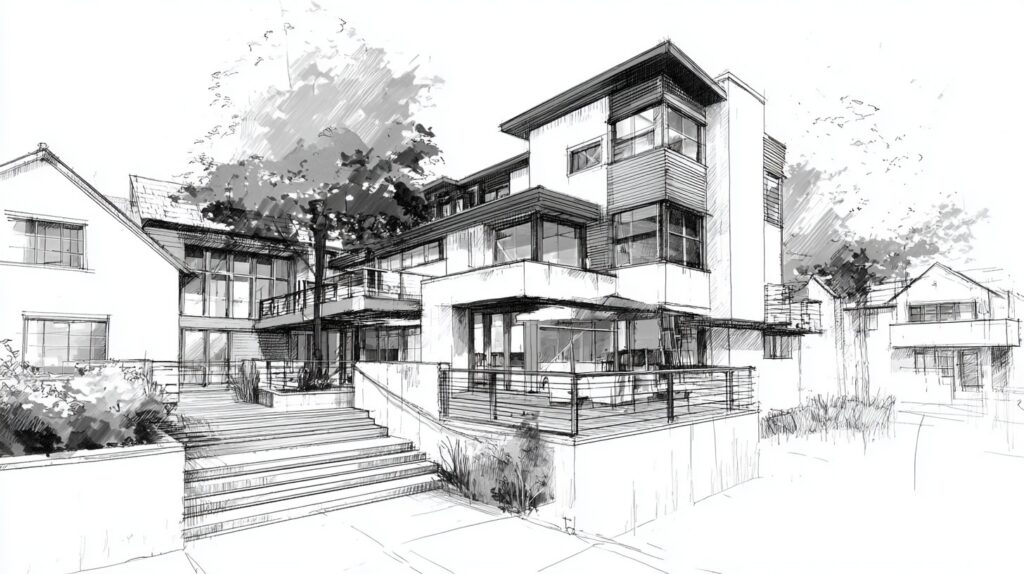
Homeowners want answers fast. They want to see options, understand cost drivers, and feel confident before they take the next step.
Virtual consultations make that easier. For remodelers, remote client meetings are not just a convenience. They are a way to speed up decisions, reduce scheduling friction, and keep the design phase moving without extra overhead.
This guide shows a practical, repeatable workflow for online remodeling consults. You will learn how to set up your tech, share files cleanly, present designs with clear pacing, and follow up in a way that turns a good meeting into an approved direction.
Why Virtual Consultations Matter for Remodelers
Virtual design for remodelers works best when it solves real business problems: fewer stalled decisions, less back-and-forth, and smoother handoffs into production. Done well, remote meetings help you protect schedule and profit while giving homeowners a high-trust experience.
- Faster scheduling: It is easier to get the right people in the room when nobody has to drive across town.
- Quicker decisions: Screen sharing makes it easier to compare options and choose a direction in one sitting.
- Less friction in the design phase: Clear visuals and documented notes reduce misunderstandings and rework.
- More consistent pipeline: Online remodeling consults help you book more first conversations without adding admin time.
Virtual consults do not replace in-person entirely. They help you use in-person time where it matters most: site conditions, final measurements, and hands-on selections.
The Core Components of a Strong Remote Design Meeting
Most virtual consults fail for one reason: the meeting is not structured. The homeowner leaves without clarity, the remodeler leaves without a decision, and the next steps turn into email chaos.
A strong virtual consult has a simple flow: confirm goals, show options, document decisions, and end with next steps. The sections below break down how to do that consistently.
What to lock in every time:
- → One clear goal for the meeting: layout decision, finish direction, scope alignment, or a budget reality check.
- → Simple visuals: floor plan, marked-up photos, inspiration references, and option comparisons.
- → Decision capture: what was approved, what is still open, and what is a placeholder.
- → A follow-up packet: recap notes, links, and the exact next step to keep momentum.
- → Next meeting trigger: schedule the next touchpoint or selection step before you hang up.
Tip: A virtual consultation is not a design lecture. It is a guided decision session that keeps projects moving.
Tech Setup That Makes You Look Professional
Your tech does not need to be fancy, but it does need to be reliable. If your audio cuts out or your screen sharing is messy, the homeowner feels uncertainty. And uncertainty slows decisions.
|
Video, Audio, and Lighting
Best practice: Use a stable camera, clear microphone, and simple lighting so your face and expressions read naturally.
Why it matters: Trust is built through clarity. If you look and sound professional, the homeowner relaxes and engages faster. |
|
Screen Sharing and Markup
Best practice: Share one clean window at a time and use basic markup tools to point, circle, and label decisions.
Why it matters: Homeowners need simple guidance. Markup turns a vague discussion into a clear choice. |
|
Backup Plan
Best practice: Have a backup link and a phone option ready in case the video platform fails.
Why it matters: Keeping the meeting moving protects the relationship and keeps the project timeline intact. |
File Sharing That Prevents Confusion
Virtual consults get messy when files live in five different places. A homeowner should never wonder which plan is current, which option is approved, or where to find the recap.
For virtual design remodelers, the goal is simple: one folder, one “current” file set, and a consistent naming system that makes sense to non-designers.
-
Create one shared project folder
Keep it simple: “01 Intake,” “02 Current Plans,” “03 Options,” “04 Selections,” “05 Approvals.” The homeowner should be able to find everything without asking. -
Use clear file names
Include date and version: “Kitchen Layout Option A – 2026-02-02.” This reduces accidental approvals on older files. -
Limit active options
Two or three options max. Too many choices increases uncertainty and slows approvals. -
Document what is final vs placeholder
A finish “direction” is not the same as a final selection. Say it plainly so nobody assumes.
If your design process includes multiple voices, the handoff is where things can break. These resources support cleaner alignment inside your team:
- Design and schedule alignment: Design Workflows That Keep Remodeling Projects on Schedule
- Team coordination: Integrating Design and Construction Teams
- Feedback control: Managing Client Feedback During the Design Phase
Presentation Pacing That Leads to Decisions
The best remote client meetings are paced like a guided tour. You are not trying to show everything. You are trying to land one decision at a time, in the right order.
|
Start With the “Why”
What it does: Aligns the homeowner on goals like storage, flow, lighting, and daily use.
Why it works: When the goal is clear, decisions feel easier and less emotional. |
|
Use a Simple Option Compare
What it does: Shows Option A vs Option B with the same camera angles and the same talking points.
Why it works: It prevents jumping around and helps homeowners choose with confidence. |
|
End With a Decision Summary
What it does: Captures what was approved and what is still open.
Why it works: It reduces follow-up questions and avoids “I thought we agreed” moments later. |
Follow-Ups That Keep Momentum Moving
The follow-up is where virtual consultations turn into real progress. If you do not document outcomes, the homeowner re-litigates decisions in email. That slows timelines and adds admin work.
Send a recap within 24 hours that includes:
- → Meeting summary: what you covered in plain English.
- → Approved decisions: Option A, layout notes, finish direction, key constraints.
- → Open items: what still needs a decision and by when.
- → Next step: schedule the next touchpoint or selection meeting.
- → Change rules: clear note that changes after approval can affect budget and timeline.
If you want your consults to convert more consistently, your website experience has to support the same clarity:
Remodeling Website That Converts
Calls to Action That Convert
Chat and Lead Capture Tools
A Simple Virtual Consultation Workflow You Can Use This Month
Virtual consultations are most effective when they are repeatable. The goal is not to create a custom process every time. The goal is to run the same clean meeting structure for every project type, then improve it as you go.
-
Pre-call intake
Collect photos, measurements (if available), inspiration, and budget range. This is how you avoid spending the first 20 minutes “getting oriented.” -
Kickoff call (remote)
Confirm goals and constraints. Identify the one decision you need next, and set expectations for timeline and next steps. -
Option review (remote)
Share two to three clear options. Use a consistent comparison format. Capture the decision at the end. -
On-site verification (in-person)
Use in-person time for what it is best at: site conditions, critical measurements, and anything that cannot be confirmed remotely. -
Approval and handoff
Package the approved direction into a clean set of notes and files. This reduces mistakes during construction and keeps teams aligned.
Common Mistakes That Make Virtual Consults Feel Like a Waste
Avoid these traps in online remodeling meetings:
- → No agenda: The meeting drifts, and nobody leaves with a decision.
- → Too many files and links: The homeowner gets lost and asks repeated questions.
- → Too many options: Choice overload increases uncertainty instead of reducing it.
- → Weak recap: Without a follow-up packet, decisions reopen in email.
- → Not tying consults to conversion: If your website does not make it easy to book, you lose momentum.
For the marketing side of virtual consultations, these posts pair well with the workflow above:
Remodeling Landing Pages
Website Copywriting That Sells
Tracking Website Metrics for Remodelers
How GYRO Helps Remodelers Turn Virtual Consults Into Consistent Demand
GYRO is a growth platform built for remodelers and home-improvement brands that want steady demand without building a big marketing team. That includes helping you turn your best process moments, like strong virtual consultations, into content and conversion assets that consistently attract the right homeowners.
With GYRO, your consult process can become part of a repeatable growth system:
- SEO-aligned content that targets the services you want to sell most.
- Website and content systems that guide visitors into booked calls with less friction.
- Strategist oversight to keep messaging clear, consistent, and trustworthy.
- Compounding visibility so your calendar fills without constant ad spend or daily posting stress.
If you want to see how this connects to your website experience, start here: Website Design and Development.
Want Remote Consults That Lead to Faster Approvals?
Virtual consultations can shorten your design timeline, reduce confusion, and help homeowners commit with confidence.
If you want help turning your consult process into a system that attracts better-fit leads and converts them faster, GYRO can help.
Key Takeaways
Virtual Consultations Help Remodelers Create Clarity Faster
- Virtual design for remodelers works when meetings are structured around decisions, not discussions.
- Reliable tech and clean screen sharing build trust and reduce friction in remote client meetings.
- Simple file organization prevents confusion and protects approvals.
- Strong pacing and option comparisons help homeowners commit faster.
- A clear recap and next step keeps online remodeling consults moving toward approval and handoff.
If you want better close rates and smoother projects, build a repeatable virtual consultation workflow and stick with it. The compounding effect comes from consistency.