
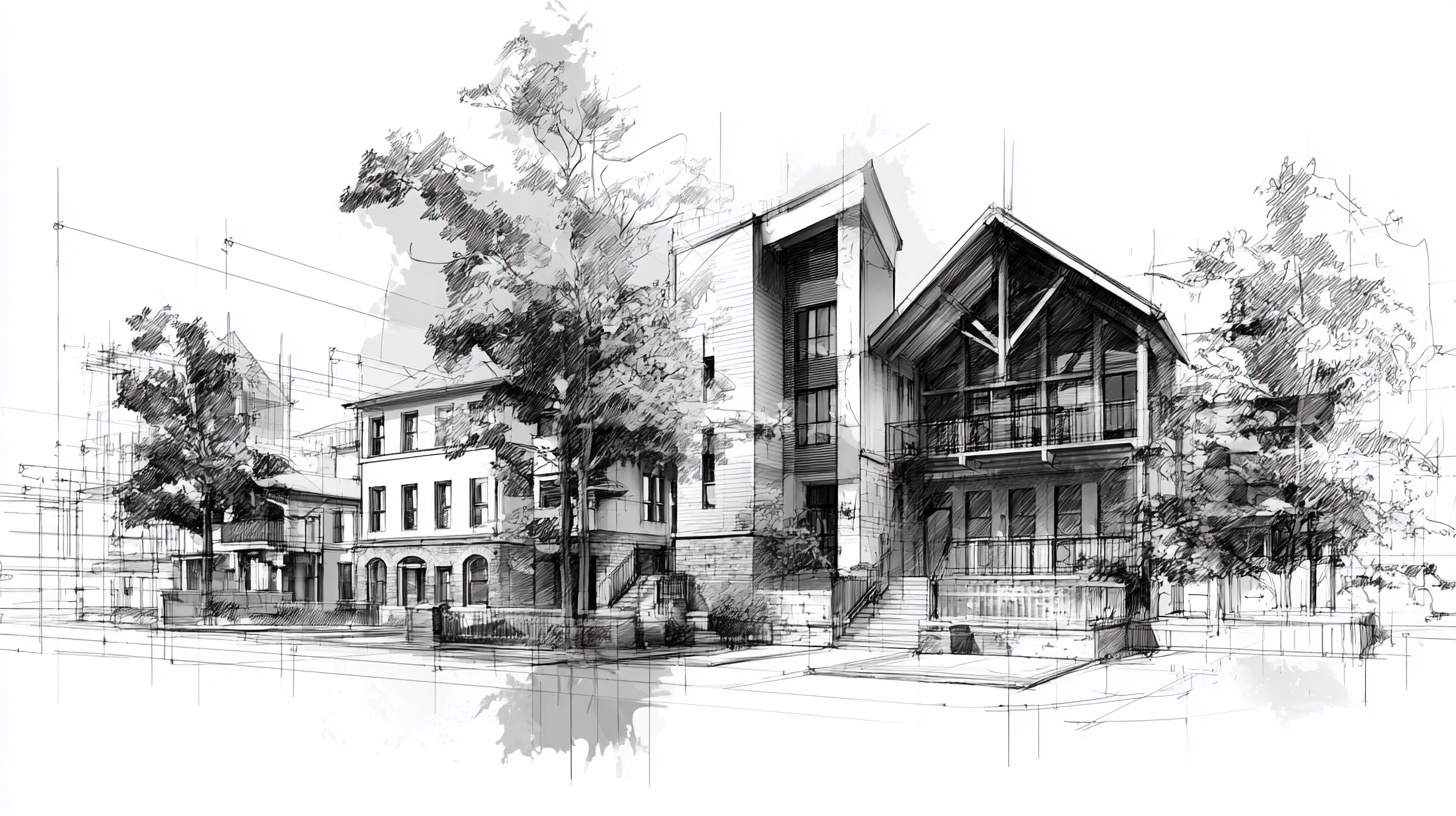
Looking premium does not require a luxury budget. For remodelers, it usually comes down to a handful of repeatable visual decisions that make your business feel more organized, intentional, and trustworthy the moment a homeowner lands on your site or sees your brand in the wild.
That matters because perception shapes lead quality. A scattered website, inconsistent photos, or a noisy visual system can make even great work feel average. By contrast, a refined remodeler visual identity helps homeowners assume the experience will be smoother, the process more professional, and the outcome more dependable.
In this guide, we’ll break down the visual tactics that create a premium contractor branding effect without luxury-level spend: whitespace, type hierarchy, restrained color, photo consistency, icon systems, and proof-first layouts. If your goal is a more high end look website that attracts better-fit projects, these are the levers with the highest return.
Why “Premium” Is Mostly About Clarity, Not Cost
Homeowners do not experience your brand like a designer would. They are not evaluating typography theory or layout grids. They are making a quick emotional judgment: does this company feel established, calm, detail-oriented, and worth contacting?
That judgment often happens in seconds. A premium look is less about expensive visuals and more about removing friction. When a site feels clean, photos look consistent, headlines are easy to scan, and proof is easy to find, the business feels more capable. That perception can improve inquiry quality before a conversation even starts.
A premium visual identity usually signals these things to homeowners:
- Confidence: the company is not trying too hard to prove itself.
- Process: if the website is organized, the project may be too.
- Attention to detail: small design decisions hint at care in larger project decisions.
- Trustworthiness: consistency across pages, photos, and calls to action reduces perceived risk.
For remodelers trying to move upmarket or simply attract fewer price shoppers, this kind of visual refinement can do meaningful work. It helps frame your company as the professional choice, not just another option in the search results.
What Creates a Premium Feel on a Remodeler Website?
A premium feel is usually the result of restraint. Too many remodeler sites try to do everything at once: multiple button colors, mixed image styles, crowded sections, long paragraphs, generic stock graphics, and every service jammed onto the homepage. The result is not “full featured.” It feels noisy.
A more elevated presentation comes from stronger hierarchy and simpler decisions. You choose one main action, one clear proof path, one photo style, and a tighter visual system. The site becomes easier to scan, easier to trust, and easier to remember.
|
Looks Expensive
Common assumption: use dramatic visuals, dense textures, flashy effects, and ornate design.
What usually happens: the site feels cluttered, dated, or hard to use. |
|
Feels Premium
Better approach: clean spacing, strong typography, intentional color, high-quality proof, and focused sections.
What the user experiences: confidence, calm, professionalism, and clarity. |
If you are reworking your brand foundation, this article pairs naturally with GYRO’s guidance on remodeler brand identity checklist and professional branding for remodelers.
1) Use More Whitespace Than Feels Comfortable at First
Whitespace is one of the fastest ways to create a premium look. It gives your content room to breathe, helps important elements stand out, and makes the experience feel more intentional. Budget brands often look crowded because every inch is forced to work too hard.
For a remodeler, whitespace improves more than aesthetics. It makes service explanations easier to scan, helps project photography feel more important, and allows reviews or process sections to land with more credibility.
Where whitespace matters most:
- Between your headline and supporting copy on hero sections.
- Between featured project images so they feel like proof, not filler.
- Between homepage sections so the page feels guided instead of crowded.
- Inside cards, checklists, and process blocks so reading feels effortless.
- Around calls to action so the next step is obvious.
One useful benchmark: if your homepage feels like it needs less copy and more breathing room, it probably does. A premium page rarely tries to say everything at once. It says the right thing, then lets the layout support it.
2) Build Clear Type Hierarchy Before You Touch Anything Else
Typography is a major part of premium contractor branding because it affects how your business “sounds” visually. When every section title, paragraph, and callout looks equally important, the site feels amateur. When the hierarchy is clear, the site feels edited and confident.
You do not need exotic fonts to get this right. In many cases, a clean heading font paired with a highly readable body font is enough. The real win is consistency: one heading system, one paragraph style, one button style, one rhythm.
If your content strategy is part of your long-term lead flow, typography matters even more. It improves how blog posts, service pages, and proof pages perform. Related reads include website copywriting that sells, perfect homepage layout for remodelers, and calls to action that convert.
3) Use a Restrained Color Palette Instead of Trying to Look “Designed”
One of the most common mistakes in remodeler visual identity work is overusing color. Too many accent colors, overly saturated buttons, inconsistent background blocks, and mismatched graphic elements all make the site feel busy. Premium brands usually do the opposite. They rely on a small number of colors and let neutral space do more of the work.
For most remodelers, a restrained palette means one strong primary color, one secondary accent if needed, and a dependable range of neutrals. That alone can transform the visual quality of a site, estimate template, brochure, or proposal.
|
Primary Brand Color
Use for: major headings, buttons, links, and anchor elements.
Goal: create recognition without overwhelming the page. |
|
Accent Color
Use for: highlights, badges, small emphasis moments, and subtle depth.
Goal: support the system, not compete with it. |
|
Neutral System
Use for: backgrounds, text, borders, cards, and spacing structure.
Goal: create calm, contrast, and visual discipline. |
This is also why “high-end” sites often do not feel loud. They are usually making fewer color decisions, not more. For a deeper related read, see the psychology of color in remodeling branding and consistent visual identity for a remodeling brand.
4) Create Consistent Photo Treatment Across the Entire Site
Photography has outsize influence on perceived quality. Homeowners may not consciously notice your type hierarchy, but they will absolutely feel the difference between a cohesive photo system and a random mix of bright, dark, warm, cool, vertical, horizontal, cluttered, and inconsistent images.
If you want a high end look website, your images need to feel curated. That does not require a luxury production budget. It requires consistency in how you capture, select, crop, and edit your project photography.
Premium-feeling photo treatment usually includes:
- Consistent brightness and color balance across all featured projects.
- Fewer but stronger photos on key pages.
- Intentional cropping that highlights craftsmanship, material quality, and spatial transformation.
- Minimal clutter in final selects.
- Similar framing for before-and-after comparisons and project galleries.
It also helps to decide what kind of work you want to visually emphasize. If you want more upscale kitchen remodels, your best kitchen photography should anchor your homepage, service page, and portfolio paths. If baths or additions are the higher-value service, the visual emphasis should match that priority.
Related resources that support this approach include project galleries and before-after photos, using photography to elevate your remodeling brand, and brand photography and video for remodeling.
5) Use Proof-First Layouts Instead of Selling Too Early
A premium brand rarely begs for attention. It presents evidence. That is why proof-first layouts are so effective for remodelers. Instead of leading every section with claims, lead with signals of trust: project images, concise results, review excerpts, process clarity, and examples of the work you want more of.
This is especially important for service businesses where trust is everything. A homeowner deciding between two remodelers is not only comparing price. They are comparing confidence. The easier you make it to verify your quality, the more premium your business feels.
If you want your structure to support both conversions and search visibility, related GYRO resources include a remodeling website that converts, service pages that rank and convert, project portfolios that win clients, and case studies for remodelers.
6) Create an Icon and Graphic System That Feels Quietly Consistent
Premium presentation often comes from the small things happening consistently in the background. Icon style, divider lines, badges, checkmarks, and simple supporting shapes may seem minor, but they create brand memory. When those elements all feel related, the business feels more intentional.
The key is restraint. You do not need a huge icon library or elaborate graphic language. You need a handful of dependable components used the same way every time.
Keep your visual support system simple:
- Choose one icon style and use it sitewide.
- Repeat the same corner radius, line weight, and spacing logic.
- Use the same badge or checklist treatment across blog posts and service pages.
- Avoid mixing illustration styles, gradients, and decorative effects without a clear system.
This is the kind of detail that supports a more polished brand without requiring expensive custom design work on every page. It is one of the easiest ways to make templates, blog graphics, and service sections feel like they belong to the same company.
7) Stop Overdesigning Your Homepage
Many remodelers unintentionally lower perceived quality by asking the homepage to do too much. They add every service, every badge, every paragraph, every slider, and every idea they have ever wanted to mention. Premium brands tend to edit harder.
A better homepage usually has a clear headline, a concise positioning statement, a strong call to action, a proof path, featured services, a process overview, and a reason to trust the company. That is enough. When the layout is simpler, each section feels more confident.
If your homepage should feel more premium, simplify these first:
- Reduce the number of competing calls to action.
- Cut repetitive copy and let visuals carry more weight.
- Feature fewer services at once, with clearer paths to deeper pages.
- Use one visual style for cards, buttons, and proof blocks.
- Make sure mobile spacing feels as intentional as desktop spacing.
For structure help, see perfect homepage layout for remodelers, best page order for a remodeler website, and how to use your remodeler website footer to build trust.
8) Make the Site Feel More Premium by Improving What You Remove
Sometimes the fastest upgrade is subtraction. A premium look often appears when you remove outdated design choices, redundant text, inconsistent colors, weak stock photos, unnecessary shadows, or cluttered widgets. It is not always about adding design. It is about editing the visual noise.
This also applies to lead capture. Too many popups, chat tools, sticky bars, and interruptive prompts can lower perceived quality if they are not used carefully. Homeowners looking for a major remodel want confidence, not chaos.
|
Keep
Clear CTAs, strong project visuals, clean trust signals, concise service language, and easy next steps.
|
|
Reduce
Crowded hero sections, multiple button colors, weak stock imagery, excessive badges, and repetitive homepage copy.
|
|
Use Carefully
Popups, chat tools, floating widgets, animations, and promotional bars. These should support the experience, not dominate it.
|
Related reads include remodeling website mistakes, best website popups for remodelers, and chat and lead capture tools.
9) Match Your Premium Visuals to Better Positioning
Visual refinement works best when the message matches it. A polished website with generic copy still feels incomplete. If you want homeowners to perceive you as the right fit for more selective, higher-value projects, your visuals and your positioning have to support each other.
That means being clearer about what you do, who you serve, what you are known for, and why your process is worth trusting. A premium look is strongest when it feels aligned with a premium experience.
Make sure your visuals support messaging like this:
- The kind of projects you want more of.
- The standards you hold during design, planning, communication, and build execution.
- The homeowner experience you are promising.
- The trust signals that prove those claims.
This is where articles like developing a unique brand voice for remodelers, storytelling in remodeling, and building brand trust through client experience become useful extensions of the visual work.
10) Turn the Premium Look Into a Repeatable System
The real goal is not a prettier homepage. It is a repeatable visual system your business can use everywhere: service pages, blog posts, proposals, review graphics, social posts, and local landing pages. That is how premium perception compounds over time.
When the website, project galleries, blog content, Google Business Profile imagery, and social posts all feel visually related, the brand starts to feel established. That kind of consistency helps you stay recognizable and credible even before the homeowner reaches out.
-
Audit your current presentation
Review your homepage, service pages, project photos, proposals, and social posts side by side. Look for inconsistency in spacing, color, type, and image treatment. -
Simplify the system
Reduce the number of colors, tighten typography choices, and clean up repeated layout patterns so the site feels calmer. -
Upgrade proof placement
Bring stronger project visuals, reviews, and process clarity higher on the page so trust builds earlier. -
Create reusable rules
Standardize how images are cropped, how CTAs look, how headings behave, and how support graphics are used. -
Apply the system beyond the website
Extend the same presentation logic into social, proposals, PDFs, Google posts, and sales materials.
Where GYRO Fits In
GYRO is built for remodelers and home-improvement brands that want consistent demand without building a large internal marketing team. That matters here because a premium look only creates business value when it is applied consistently across the touchpoints that generate and convert leads.
GYRO helps turn visual positioning into a repeatable system. That includes strategist-guided content, SEO-aligned publishing, website structure, and brand consistency that routes attention back to the services and project types that matter most to your pipeline.
GYRO helps premium presentation become practical growth:
- Website structure: cleaner pages that support proof, clarity, and conversion.
- Brand consistency: visual and messaging alignment that makes your business feel more established.
- Content engine support: articles, local pages, and supporting assets that reinforce authority over time.
- Strategist oversight: human review that protects tone, trust, and real-world fit for remodelers.
If you want to go deeper, start with Logo and Visual Systems, explore Website Design and Development, or review SEO Strategy and Audits to connect visual presentation to compounding visibility.
Conclusion: Premium Perception Comes From Discipline, Not Luxury Spend
The remodelers who look more premium online are not always the ones spending the most. They are often the ones making clearer visual decisions. More whitespace. Better typography. More intentional photography. Fewer colors. Stronger proof placement. More consistency from page to page.
That is the opportunity. You do not need to imitate luxury branding to create a more premium experience. You need a smarter visual system that reduces noise and raises trust. When done well, that shift can support stronger positioning, better-fit leads, and a website that feels more aligned with the quality of work you actually deliver.
Want a More Premium Website Without Rebuilding Everything From Scratch?
GYRO helps remodelers refine their visual presentation, strengthen trust signals, and turn brand consistency into better lead flow—without adding more marketing chaos to the business.
Key Takeaways
A Premium Look Comes From Visual Restraint and Consistency
- Premium contractor branding is usually created through clarity, spacing, proof, and consistency rather than expensive design.
- Whitespace helps project confidence and makes service pages, photos, and CTAs easier to trust.
- Strong type hierarchy is one of the fastest ways to elevate a remodeler visual identity.
- A restrained color palette often feels more premium than a louder, more “designed” palette.
- Consistent photo treatment can dramatically improve the quality perception of a high end look website.
- Proof-first layouts make remodelers feel more trustworthy because they show evidence before making claims.
- A premium look becomes truly valuable when it is applied as a repeatable system across the website, proposals, content, and social assets.
The goal is not to “look expensive.” It is to look organized, credible, and worth contacting.