
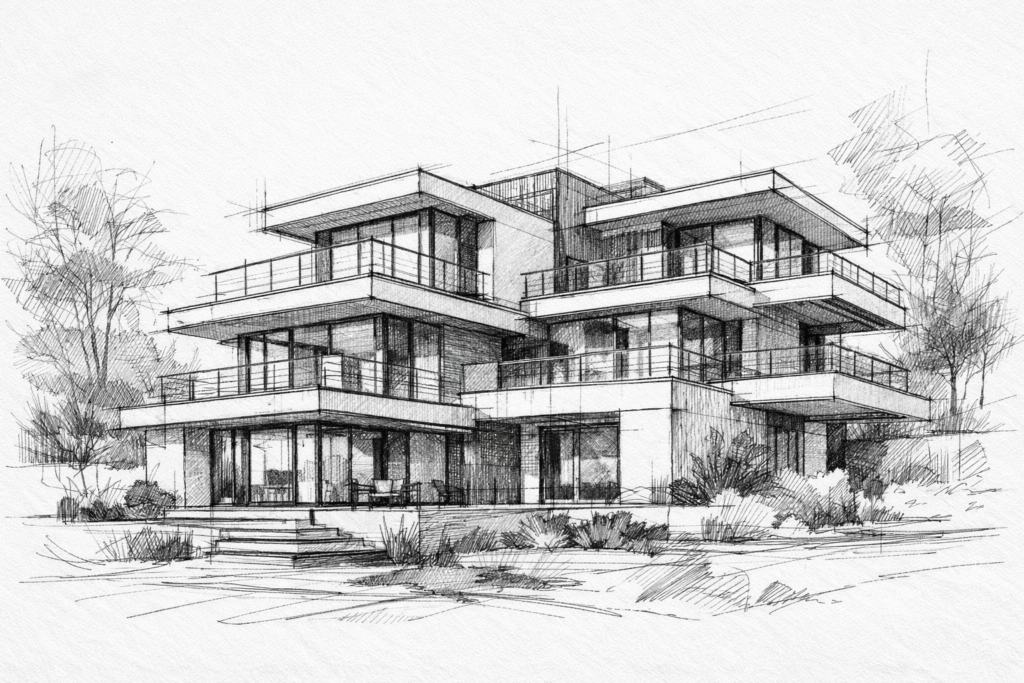
For interior designers, residential architects, and landscape designers, your best marketing usually starts as a relationship. A homeowner finds you, likes your style, and reaches out because they trust you with a big decision.
The problem is simple: when you are busy doing real work, follow-ups slip. Leads go cold. Great inquiries sit in your inbox. Past clients forget to refer you because you did not stay top of mind.
Marketing automation fixes that without turning you into a spam machine. Done right, it is relationship maintenance at scale: the right message, at the right moment, with a professional brand voice that still feels human.
Why Marketing Automation Matters for Creative Professionals
Automation is not about blasting emails. It is about protecting your pipeline and reducing the hidden “admin tax” that steals time from billable work.
- Fewer missed leads: Every inquiry gets an immediate, helpful response and clear next steps.
- More consults from the same traffic: Simple follow-up sequences improve conversion without buying more ads.
- Better-fit projects: Smart forms and light pre-qualification help you avoid tire-kickers.
- More referrals over time: Past clients stay connected with occasional value-based updates.
- Less stress: You are not relying on memory to “circle back” after a busy week.
If you have ever thought, “I should have followed up sooner,” you are exactly who automation was built for.
Marketing Automation, Explained in Plain English
Marketing automation is a set of “if this, then that” rules that help you respond, follow up, and stay organized without doing everything manually.
What automation usually means for a creative business:
- → An inquiry comes in: your site form, Instagram DM, or email.
- → A system responds: a friendly confirmation, plus next steps (booking link, questionnaire, or project fit questions).
- → Your CRM updates automatically: the lead is tagged, staged, and assigned a reminder.
- → Follow-ups happen on schedule: not pushy, just helpful and professional.
- → You measure results: which sources convert, and where leads get stuck.
In other words, marketing automation designers rely on is the same thing you already do manually, just more consistent and harder to forget.
The Core Workflows to Build First
If you start small, you will win faster. These are the highest-impact automations for creative professionals because they reduce lead leakage and improve response time.
|
Email Sequences That Feel Human
Best for: turning inquiries into consults and keeping warm leads engaged.
Where it matters: new leads, post-consult follow-up, proposal follow-up, dormant leads. Why it works: a short sequence beats a single email, because people are busy and timing varies. |
|
CRM Triggers and Deal Stages
Best for: staying organized from first message to signed contract.
Where it matters: inquiry intake, scheduling, proposals, design phase kickoff, handoff to build teams. Why it works: your process becomes trackable, repeatable, and easier to delegate. |
|
Reminders and Task Automation
Best for: preventing “forgot to follow up” moments.
Where it matters: unanswered leads, proposal nudges, missing questionnaire items, consultation no-shows. Why it works: it protects your time and keeps the client experience responsive. |
|
Analytics and Reporting
Best for: knowing what actually drives revenue.
Where it matters: lead source tracking, response time, consult-to-close rates, pipeline health. Why it works: you stop guessing and start improving the right levers. |
Email Sequences That Convert Without Sounding Corporate
Most creative pros either do no follow-up or overdo it. The goal is a short, helpful sequence that keeps momentum moving while staying true to your brand voice.
What “email funnels creatives” should focus on:
- Clarity: what happens next and what you need from the homeowner.
- Confidence: show your process and what you are known for.
- Proof: one portfolio example or a short case-style story beats a long pitch.
- Ease: one clear call-to-action per email (book, reply, or complete a form).
If you want your site to support these sequences, strong structure and messaging matter. These are useful references:
Website Copywriting That Sells
Calls to Action That Convert
Remodeling Website That Converts
A Simple 4-Email Sequence You Can Start This Week
-
Email 1 – Instant confirmation
Thank them, set expectations, and point them to one next step (book a consult or complete a short intake form). -
Email 2 – Your process in plain English
Explain how you work, what a consult includes, and what “a great fit” looks like. -
Email 3 – Proof and positioning
Share one project story and connect it to outcomes: smoother decisions, better build coordination, fewer surprises. -
Email 4 – A gentle close
Invite them to book, ask a simple question (“Are you still planning this project this season?”), and move them to a “nurture” list if they are not ready.
CRM Triggers That Keep a Design Business Organized
A CRM is not just a contact list. For a creative studio, it is the command center for leads, projects, and follow-ups. The “crm design business” advantage is simple: fewer dropped balls, cleaner handoffs, and a more professional experience.
High-value CRM triggers to set up:
- → New lead stage + tag: automatically label the lead by service type (interiors, architecture, landscape) and project size if you know it.
- → Auto task creation: create a task when a lead does not book within 48 hours.
- → Proposal sent reminders: notify you to follow up 3 to 5 days after sending a proposal.
- → Booked consult workflow: send a confirmation, a short prep checklist, and an optional questionnaire link.
- → Won or lost tracking: capture the reason (budget, timing, fit) so you can refine messaging over time.
These are the building blocks marketing automation designers use to turn “busy” into “organized” without hiring a coordinator.
Automating Instagram DMs and Engagement Without Being Annoying
Social is often where creative professionals get discovered. Automation can help you respond quickly and move people toward a consult, especially when inquiries come in after hours.
Good uses of DM automation:
- Instant reply: “Thanks for reaching out – here is the best next step.”
- Quick routing: ask 1 to 3 fit questions (timeline, project type, location).
- Booking support: provide a scheduling link and set expectations for what happens next.
- Human handoff: when they answer fit questions, it routes to you (or your team) to reply personally.
The line you do not cross is pretending a bot is a human. The goal is speed and clarity, then a real conversation.
What to Track So Automation Actually Improves Revenue
Automation is only “working” if it increases consults, improves close rates, or reduces your time spent chasing follow-ups. You do not need complicated dashboards. You need a small set of metrics you review consistently.
|
Lead Source
What to track: website, Instagram, referrals, Houzz, Google Business Profile.
Why it matters: you learn where your best-fit leads actually come from. |
|
Response Time
What to track: time from inquiry to first response and time to booking.
Why it matters: speed is one of the easiest conversion wins. |
|
Stage Conversion
What to track: inquiry to consult, consult to proposal, proposal to signed.
Why it matters: you see where leads drop and what to improve. |
If you want a simple way to think about measurement, these guides translate well to creative businesses even though they are written for remodelers:
Tracking Website Metrics
Tracking Social Media ROI
Tracking Conversions From SEO Traffic
Common Automation Mistakes (and How to Avoid Them)
Watch out for these issues:
- → Over-automating too early: build one lead flow first, then expand.
- → Vague messaging: “Just checking in” does not help – give a clear next step.
- → No segmentation: treat a warm referral differently than a cold DM inquiry.
- → Automation with no human follow-up: systems should support real conversations, not replace them.
- → Not connecting to your site: if your website is unclear, automation cannot fix the core message.
Clean positioning and proof make automation easier because leads trust you faster. These are helpful reads:
Project Portfolios That Win Clients
Portfolio Page Design Best Practices
Storytelling to Sell Services
How GYRO Helps Creative Pros Build Automation Without Extra Marketing Overhead
GYRO is a growth platform built for remodelers and home-improvement brands that want steady demand without building a big marketing team. That includes the creative professionals who support and influence high-value projects: interior designers, residential architects, and landscape designers.
At its core, GYRO turns marketing into a simple, repeatable system. It helps you get discovered (SEO and content), then helps you convert (messaging, proof, and follow-up systems) so your calendar stays full of the right work.
Where GYRO supports automation in a real, practical way:
- Strategist-guided content that attracts the right homeowners and positions your expertise clearly.
- Conversion-first website thinking so your forms, CTAs, and portfolio pages work like a system.
- Simple nurture workflows that keep leads warm without sounding salesy.
- Measurement clarity so you can see what is working and scale the right pieces.
To see the foundation of a conversion-ready site system, start here: Website Design and Development.
Want a Cleaner Pipeline Without More Busywork?
Marketing automation works best when it matches your process and brand voice. Start small, build the core lead flow, then scale what is already working.
If you want help setting up a repeatable system that attracts better-fit leads and follows up consistently, GYRO can help.
Key Takeaways
Automation Should Feel Like Great Client Service
- Automation is relationship maintenance, not spam.
- Start with one lead flow: inquiry response, booking, and follow-up.
- Email sequences, CRM triggers, reminders, and analytics create the biggest wins.
- DM automation can help, but it should hand off to a real conversation quickly.
- Measure lead source, response time, and stage conversion so you improve what matters.
The compounding effect comes from consistency: a clear offer, a clean process, and follow-up that never falls through the cracks.