

Digital Marketing, Website and Conversion Audit
Colorado Total Living
Colorado Springs, Colorado
A practical plan to turn a credible, long-running remodeling business into a clearer, more discoverable and better-proven Colorado Springs design-build brand.
TL;DR
The business has real operating substance. The digital footprint does not yet communicate it with the same depth.
For Colorado Total Living, the clearest opportunity is to build the online proof around the work you already know how to deliver. Your current site shows longevity, useful service breadth and reassuring testimonials. It does not yet give homeowners—or search engines—enough structured evidence to understand why CTL is the right fit for a kitchen, bathroom, addition or whole-home project.
Strongest asset
A local track record since 2005, plus the ability to coordinate design, architectural plans, engineering and construction. That is a stronger story than a standard replacement-contractor pitch.
Main constraint
The site behaves like a thin brochure. Limited page depth, repeated hero content and missing service, process, portfolio and area pages appear to restrict both visibility and buyer confidence.
Near-term opportunity
Position CTL around Colorado Springs design-build remodeling, then support that position with dedicated service pages, process clarity and project proof.
Conversion opportunity
Move the trust evidence closer to the decision point: team visibility, credentials, permit and warranty facts, before-and-after projects, third-party reviews and clear response expectations.
Local-search opportunity
Create pages for the services homeowners actually search, strengthen Google Business Profile and review activity, and publish only genuine service-area pages with local project evidence.
First sequence
Measure first. Clarify the message. Build the core pages. Publish proof. Tighten the inquiry path. Then amplify with reviews, content and narrowly targeted paid search.
Strategic thesis
Colorado Total Living does not need a louder brand. It needs a clearer local position, deeper project proof and a website structure that makes the full value of the work easy to understand.
What Colorado Total Living Already Has Going For It
Start with the useful foundation. These are assets worth amplifying, not replacing.
Long local tenure
The site states that CTL has served clients since 2005. In remodeling, longevity lowers perceived risk. It suggests the business has lived through changing materials, codes, market cycles and project conditions.
High-value service scope
Kitchens, bathrooms, windows and complete home renovations are supported by language around custom design, architectural plans, engineering and project management. That creates a credible design-build direction.
Testimonials address real buyer fears
The strongest on-site comments are not vague praise. They focus on schedule adherence, communication, cleanliness, craftsmanship, inspector approval and fewer unpleasant surprises. Those themes belong near every major conversion point.
Clear local contact path
The website makes the Colorado Springs address, phone number, email and free-estimate path visible. A referral visitor can confirm that the business is local and can make contact without hunting.
The problem is not a lack of credible material. It is that the material is concentrated on one thin page instead of being organized into a trust path that matches how homeowners research a major remodel.
Market Position and Customer Fit
Colorado Springs provides a healthy owner-occupier base, but the contractor field is crowded and proof-heavy.
CTL appears best suited to homeowners who want more than a commodity installation but do not necessarily want an architect-led luxury studio. The natural lane is a practical, capable design-build remodeler that can manage complicated scopes without creating avoidable chaos.
Those fundamentals support kitchen and bathroom upgrades, whole-home modernization, additions, accessibility work and projects that let homeowners improve rather than move. CTL's service mix is directionally aligned with that demand.
Best-fit customer
An owner-occupier planning a meaningful kitchen, bathroom, addition, window or whole-home project who values coordination, communication and one accountable project path.
What that buyer worries about
Budget surprises, change orders, schedule drift, job-site disruption, permit or engineering complexity, poor communication and whether the finished work will match the plan.
Message shift
Lead less with broad affordability language and more with controlled execution: clear scope, coordinated planning, reliable communication and proof from comparable Colorado Springs projects.
Outside-In Marketing Scorecard
Directional, based on publicly visible evidence. It is not a substitute for analytics, call data or CRM performance.
Business substance
Longevity, project scope and specific testimonials create a credible base.
Core offer
High-value remodeling scope is visible, but not yet organized around a sharp local position.
Local relevance
Colorado Springs contact information is clear; service-area depth is not.
Website architecture
The public experience is thin and appears to rely heavily on one page.
Trust proof
Testimonials help, while team, credentials, process and project evidence remain light.
Portfolio and visual proof
No clear case-study or gallery system was evident in the reviewed site experience.
Conversion path
Phone, email and free estimate are visible; qualification and reassurance can be stronger.
Public review footprint
Current Google, Yelp, Houzz and BBB metrics were not reliably verified.
Analytics readiness
Tracking, call attribution, CRM and conversion-event setup require internal confirmation.
AI-search and GEO readiness
Thin service, location, entity and proof signals limit what search systems can confidently summarize.
Detailed Digital Audit
Each finding separates what was observed, why it matters and what should happen next.
Brand and messaging
DevelopingThe site emphasizes quality, affordability, custom design, architectural plans, engineering and broad project capability. Several hero statements and BBB seal graphics repeat near the top.
The useful differentiators are present, but repetition and broad “good price” language can blur the higher-value design-build story and attract price-first comparisons.
Use one local headline, three proof-backed differentiators and service-specific pathways. Edit copy errors and remove repeated claims that do not add new evidence.
Website structure and user experience
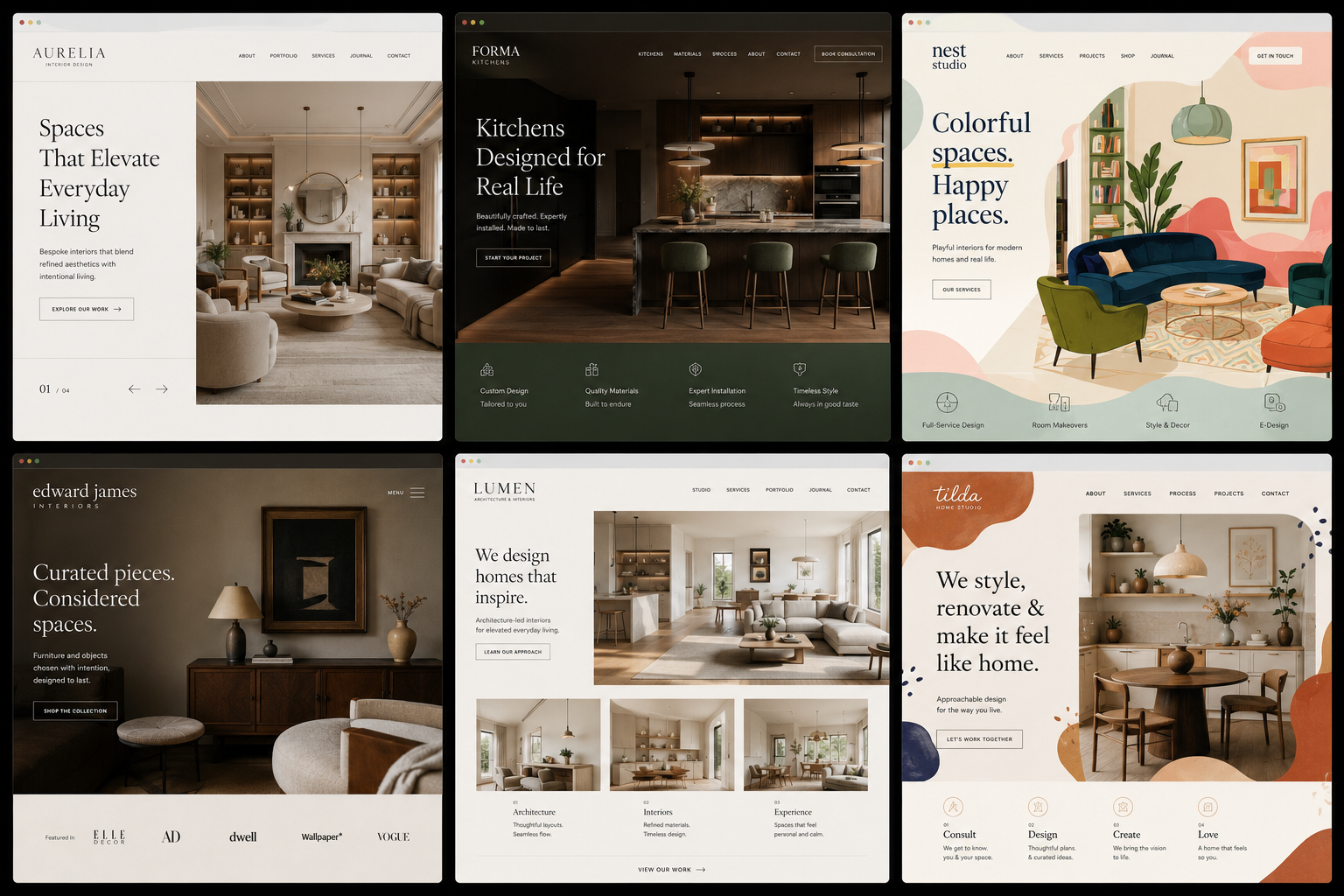
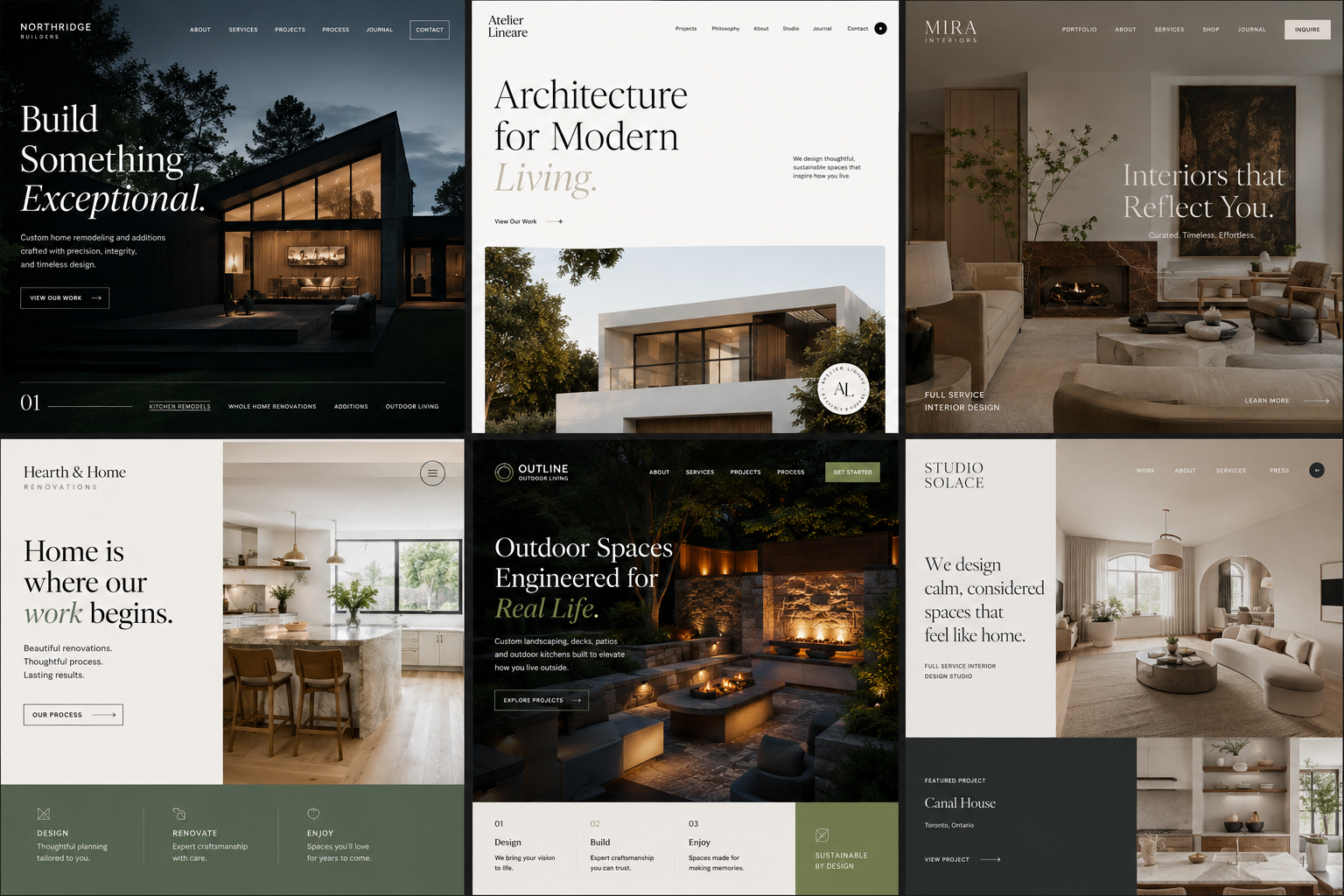
Needs attentionThe navigation exposes About Us, Our Services and Make an Appointment, but the reviewed experience resolves most of the story into one thin page. That gives a homeowner little room to explore project fit and gives search engines few distinct pages to index.
Core service pages
- Kitchen remodeling
- Bathroom remodeling
- Window replacement
- Whole-home renovations
- Home additions
Trust and decision pages
- Design-build process
- Portfolio and case studies
- Reviews
- About and leadership
- Financing, only if offered
Local and conversion pages
- Colorado Springs service page
- Validated area pages
- Contact and free estimate
- FAQs
- Project-fit guidance
Practical usability check
A formal accessibility review was not completed. During the rebuild, test visible keyboard focus, form labels, contrast, tap-target size, image alt text, error messages and mobile navigation. Those are usability basics before they are compliance questions.
Technical SEO and performance
Needs attentionThe current title is “Colorado Total Living - Home Renovations.” It names the brand but omits Colorado Springs and the highest-intent service terms.
The title is one of the clearest signals available to a search engine and a searcher. Generic wording makes it harder to connect CTL to local kitchen, bath or design-build intent.
Rewrite titles, descriptions and H1s by page. Confirm canonical tags, sitemap, robots rules, schema, redirects and internal links during implementation.
No independent PageSpeed or Core Web Vitals score was captured, so a numeric grade would be false precision. The repeated image-heavy hero treatment creates a reasonable mobile-load risk. Measure first, then compress images, serve modern formats, lazy-load below-the-fold media and simplify the above-the-fold experience.
Organic search and content architecture
Needs attentionThe current site does not visibly support the search themes CTL should be able to support credibly: Colorado Springs kitchen remodeling, bathroom remodeling, whole-home renovation, design-build remodeling, additions, window replacement and specialty topics such as historic-home or aging-in-place work.
Build pages around buyer decisions, not keyword volume alone
Each service page should explain fit, scope, planning, process, typical decision points, project proof, FAQs and the next step. That gives a homeowner a reason to stay and gives search systems enough context to understand the service.
Local search, Google Business Profile and directories
Validate internallyThe website publishes a clear Colorado Springs address and phone number, which is useful. The exact Google Business Profile categories, service areas, posts, photos, map visibility and directory consistency were not reliably captured in the public review.
Practical first step: audit the profile inside the account. Confirm the name, address, phone, primary category, services, hours, service area, appointment link, project photos and review response process. Then compare the same facts across major directories and social profiles.
Reviews and reputation
DevelopingCTL's on-site testimonials are a real asset because they speak to schedule, communication, craftsmanship, cleanliness and surprise reduction. The weakness is distribution. Current Google, Houzz, Yelp and BBB totals were not independently verified, so they should be treated as unknown—not as zero.
Next move: create a consistent review request after key project milestones, respond to every new review, tag reviews by service type and reuse short excerpts on the relevant service and case-study pages.
Portfolio, social and visual content
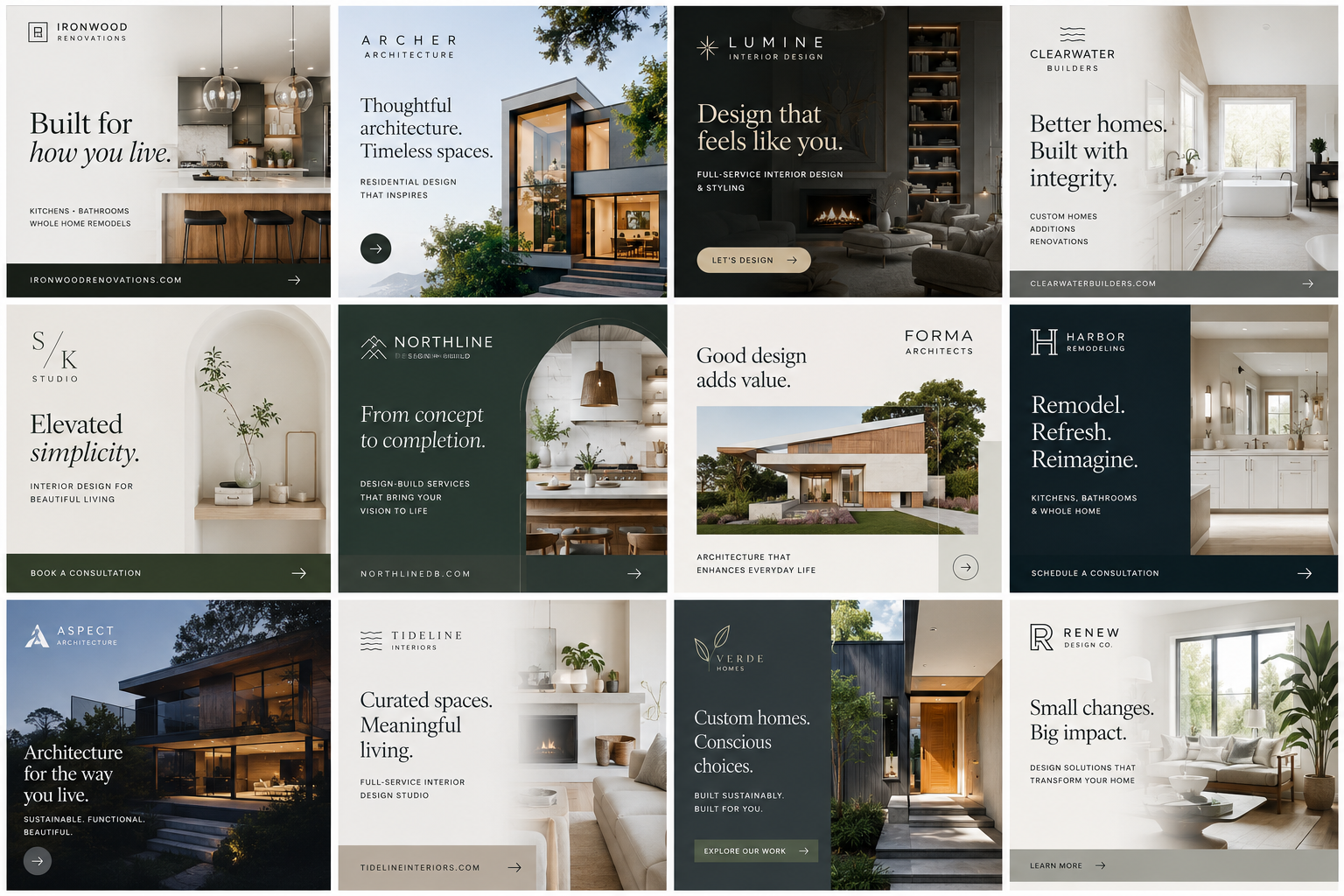
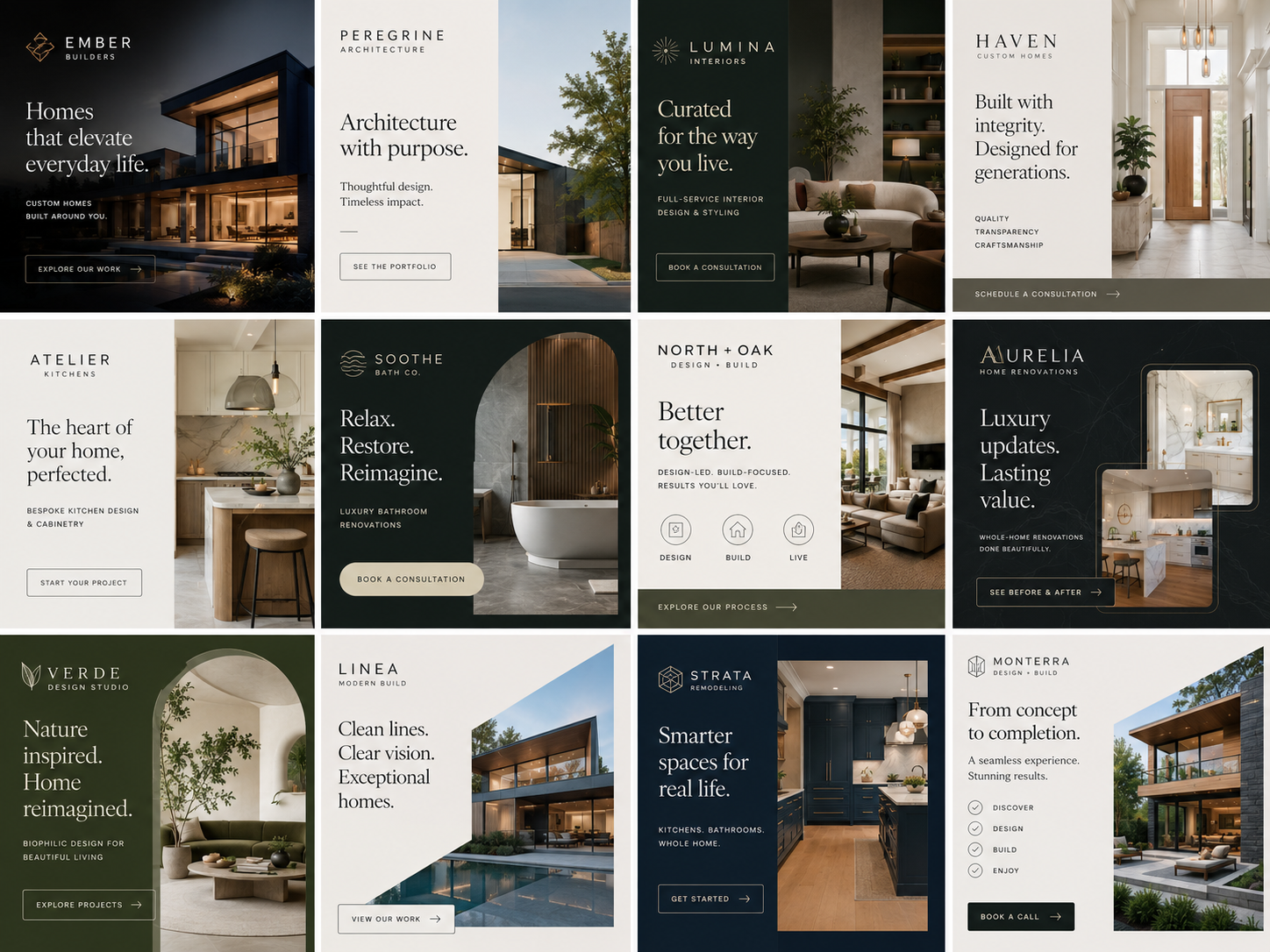
Needs attentionNo clear portfolio structure or visible social links were found in the reviewed homepage experience. That creates friction for an inspiration-stage homeowner who wants to see whether CTL's taste, project scale and finish quality match the project in mind.
One strong project should become a full set of assets: a case study, before-and-after sequence, short walkthrough, Google Business Profile post, FAQ, testimonial feature, service-page proof block and sales-conversation aid.
Conversion path and lead quality
DevelopingThe site makes free estimates and direct contact visible. The next version should offer two clear paths: Call now for a ready homeowner and Request an estimate for a considered buyer. The form should qualify without becoming a wall.
- Project type and location
- Desired timing and budget band
- Short description plus optional photo or plan upload
- How the homeowner heard about CTL
- Response-time expectation and privacy reassurance
The goal is not maximum form volume. It is enough context to identify right-fit projects and respond well.
Analytics and measurement readiness
Requires internal validationPublic tools did not provide enough evidence to confirm analytics, call tracking, form events, CRM integration or lead-source attribution. Before changing traffic strategy, establish a baseline for calls, forms, consultations, service requested, geography and project fit.
Business effect: CTL can stop judging marketing by traffic alone and start judging it by qualified inquiries, proposals and right-fit projects.
AI-search and GEO readiness
Needs attentionAI-assisted search systems need consistent answers to simple questions: What does CTL do? Where does it work? Which projects is it best at? Who is behind the company? What proof supports the claims? The current thin site and limited third-party corroboration make those answers less clear than they should be.
Next move: publish consistent service and location facts, leadership information, credentials that can be verified, structured data, detailed FAQs, project case studies and review proof. GEO is not a trick. It is the result of clear entity information and useful evidence.
Customer Journey and Conversion Review
Three visitors can land on the same homepage and need three different kinds of reassurance.
Referral visitor
Already knows the name and wants to confirm that CTL is legitimate, local and capable.
- Current strength
- Clear contact details, local address, longevity and specific testimonials.
- Current friction
- Little team visibility, process detail, credential disclosure or project-by-project proof.
- Primary action
- Call or request an estimate.
- Best supporting proof
- Named leadership, comparable project case study and communication/process expectations.
High-intent search visitor
Is comparing multiple remodelers and needs quick evidence of service fit, quality and risk control.
- Current strength
- Core services are visible and the business signals broad capability.
- Current friction
- No deep landing page for the searched service, limited external review proof and no clear comparison framework.
- Primary action
- Request an estimate from the relevant service page.
- Best supporting proof
- Before-and-after project, review excerpts, process, warranty and credentials.
Inspiration-stage visitor
Arrives from images, social content or early research and may be months from contacting anyone.
- Current strength
- CTL offers the kinds of projects this visitor is considering.
- Current friction
- No obvious gallery, case-study library, educational path or visible social ecosystem.
- Primary action
- Explore a project or service guide.
- Best supporting proof
- Project stories, design rationale, planning FAQs, timelines and a low-pressure estimate path.
Trust gaps to close
- Leadership and team visibility
- Verified licensing, insurance and permit-handling facts
- Written process and communication standards
- Warranty or follow-through information
- Project scope, location, timeline and outcome
- Independent review proof near the inquiry point
Recommended inquiry flow
- One primary CTA on every page
- Call-now option for urgent, ready buyers
- Short estimate form with useful qualification
- Testimonials and relevant case study beside the form
- Clear confirmation and response-time expectation
- Track the source, service, geography and project fit
Competitive Benchmark
This is not a winner ranking. It shows the public proof and digital expectations already present in the local market.
The visible Colorado Springs field is crowded. One Houzz market view listed 1,499 general-contractor professionals within 50 miles. Several nearby remodelers pair strong ratings with deeper pages, portfolios, credentials, financing or visible licensing.
Dayhoff Remodeling
Dedicated projects, testimonials and contact pages. Published project-cost range of $2,000–$200,000.
HOMEfix
Deep service architecture, blog, portfolio, financing, social links and a detailed estimate path. Published range of $1,000–$250,000.
Cheyenne Mountain Builders
Clear high-end kitchen, bath and custom-work positioning supported by a visible project portfolio.
Solid Rock Custom Homes
Strong review volume plus CGB, CGR, CAPS, HBA and NAHB credential signaling.
Alpine Contracting
Publishes BBB A+ and PPRBD licensing claims in its market profile. Published range of $15,000–$650,000.
Ratings and review totals reflect the reviewed public snapshot and can change after the audit date.
The competitive opening in plain English
CTL can sit between the broad everything-for-the-home provider and the luxury-only builder. The opening is a well-proven Colorado Springs design-build remodeler: substantial enough for complicated projects, practical enough to communicate clearly and local enough to feel accountable.
| Dimension | Market benchmark | CTL opening |
|---|---|---|
| Review proof | Multiple firms show 4.9–5.0 ratings with visible review counts. | Build a verifiable review profile and place service-specific proof throughout the site. |
| Service depth | Strong sites create a page for each major service and buyer question. | Use CTL's existing scope to build a focused service architecture, not a broad catch-all. |
| Credentials | Some competitors publish licenses, associations, warranties or certifications. | Publish only the exact credentials, insurance and permit facts that CTL can verify. |
| Portfolio | Projects are used as proof, not merely as imagery. | Turn completed work into case studies with scope, process, neighborhood and outcome. |
| Conversion | Better sites offer clear forms, financing information and multiple service pathways. | Use a simpler two-path CTA with enough qualification to protect lead quality. |
Search, Content and Authority Opportunities
Build around the projects CTL wants more of, then use each project to reinforce the entire system.
| Opportunity | Buyer intent | Current support | Priority | Recommended asset |
|---|---|---|---|---|
| Colorado Springs design-build remodeling | Comparing capable full-project providers | Claim appears in pieces, not as a focused page | Immediate | Homepage position plus design-build process page |
| Kitchen remodeling | High-intent service search | Short homepage section | Immediate | Dedicated service page with project proof and FAQs |
| Bathroom remodeling | High-intent service search | Short homepage section | Immediate | Dedicated service page, accessibility options and proof |
| Whole-home renovation | Complex project comparison | Claim and testimonials, limited depth | High | Service page plus two detailed case studies |
| Home additions | Planning and contractor search | Supported mainly by testimonials | High | Additions page with design, engineering and permit path |
| Window replacement | Transactional service search | Visible but underdeveloped | Medium | Product, energy, installation and warranty page |
| Historic or aging-in-place remodeling | Specialty comparison | Directional fit, not fully developed | Validate | Publish only after internal capability and project proof are confirmed |
| Monument, Manitou Springs, Black Forest, Woodland Park | Local service search | Service footprint not publicly defined | Validate | Create pages only for true service areas with local evidence |
Case-study library
Six to ten initial projects covering kitchens, baths, whole-home work and additions.
Process and project-fit education
Explain consultation, design, selections, budget alignment, construction and final walkthrough.
Cost, timeline and planning FAQs
Answer the questions homeowners ask before they are ready to contact a remodeler.
Review-backed service pages
Place the most relevant testimonial and third-party proof beside each service decision.
Project repurposing system
Use one completed project to feed the website, Google profile, social, email and sales follow-up.
Make the content system repeatable
Megaphone could help connect the approved business facts, website pages, local search, project repurposing and ongoing measurement so this does not become another one-time website project.
Recommended Action Plan
Foundation before amplification. The order matters more than the volume of tactics.
Now Immediate
Establish the baseline
Confirm analytics, calls, forms, source, service requested and project fit before changing traffic.
Rewrite the homepage
Lead with Colorado Springs design-build remodeling, one clear promise and proof-backed differentiators.
Build the core pages
Launch kitchen, bathroom, whole-home, additions, windows, process, reviews, about and contact pages.
Publish exact trust facts
Add verified leadership, license, insurance, permit, warranty and association details that actually apply.
Fix the local profile and review workflow
Validate Google Business Profile data and make review requests a normal project-close step.
Next High
Publish 6–10 case studies
Show scope, neighborhood, planning challenge, timeline context, result and homeowner proof.
Improve the estimate form
Add project type, location, timing, budget band and optional uploads without creating a long application.
Create real service-area pages
Use only locations CTL genuinely serves and support each page with project or neighborhood context.
Start a monthly content cadence
Alternate project stories with planning, process, budget, timeline and materials education.
Later Scale
Test narrow paid search
Use service-specific landing pages for kitchen, bath and whole-home terms only after conversion tracking works.
Expand specialty positioning
Build historic-home or aging-in-place content only after capability, projects and demand are validated.
Add financing information
Publish a financing page only if CTL has a real partner or process to explain.
Run an ongoing CRO cycle
Test messages, proof order, CTA language and form design against qualified inquiry outcomes.
One source of truth prevents drift
A GYRO MOD could capture the approved services, story, customers, proof, voice, local facts and credential language before the site and content are rebuilt. That keeps every page and channel aligned.
Practical 90-Day Roadmap
These phases create usable outputs and measurable signals. They are not promises of rankings or revenue.
Clarify and instrument
- Confirm analytics, call and form tracking
- Approve positioning and homepage message
- Inventory credentials, projects and reviews
- Clean up Google Business Profile facts
- Map the new page architecture
Success signals: baseline dashboard, approved message, page briefs and review workflow live.
Publish the core decision path
- Launch the homepage and priority service pages
- Publish About, Process, Reviews and Contact
- Add two to four detailed case studies
- Improve the estimate form and mobile CTAs
- Confirm technical SEO and structured data
Success signals: pages indexed, conversion events firing and service-specific inquiries attributable.
Build authority and test demand
- Publish additional case studies and FAQs
- Repurpose projects across GBP and social
- Create validated service-area content
- Review lead quality by page and source
- Launch a narrow paid-search pilot only if ready
Success signals: consistent publishing, review growth, clearer lead mix and a usable cost-per-qualified-inquiry benchmark.
Conversion Experiments
Test one meaningful change at a time, and judge it by qualified inquiry behavior rather than clicks alone.
| Experiment | Hypothesis and proposed change | Primary metric | Track first | Effort / confidence |
|---|---|---|---|---|
| Local hero message | A Colorado Springs design-build headline with three proof points will help high-intent visitors identify fit faster than a broad renovation message. | Qualified CTA rate | Hero CTA clicks, call and form source | Low / High |
| Two-path CTA | “Call now” and “Request an estimate” will serve urgent and considered buyers without forcing one behavior. | Contact conversion rate | Separate call and form events | Low / High |
| Proof beside the CTA | A relevant testimonial, project image and verified trust facts near the form will reduce hesitation. | Form completion rate | Form starts and completions | Low / Directional |
| Qualified estimate form | Project type, location, timing and budget band will improve lead context without materially suppressing right-fit submissions. | Qualified inquiry rate | Field completion and CRM disposition | Moderate / Directional |
| Case-study assist | Adding a comparable project to each service page will increase confidence and help visitors move toward consultation. | CTA rate after case-study view | Case-study views and assisted conversions | Moderate / High |
| Mobile contact rail | A compact, non-obstructive call and estimate rail will reduce mobile friction for ready visitors. | Mobile contact rate | Device-level calls and forms | Low / Directional |
| Process preview | A five-step process summary on service pages will reduce uncertainty about how a complex remodel begins. | Service-page conversion | Scroll depth and CTA engagement | Low / High |
| Service-specific landing pages | Sending paid and organic visitors to the exact service they searched will improve fit versus sending everyone to the homepage. | Qualified cost per inquiry | UTM, landing page and CRM source | Moderate / High |
Measurement Plan
Traffic is a diagnostic. Qualified inquiries, consultations and right-fit projects are the outcomes.
| KPI | Definition | Required tracking | Review cadence |
|---|---|---|---|
| Calls and forms | All direct website inquiries, separated by source and landing page. | Call tracking, form events, UTM capture | Weekly |
| Qualified inquiry rate | Share of inquiries that fit service, geography, timing and approximate scope. | CRM disposition fields | Weekly |
| Lead-to-consultation rate | Share of qualified inquiries that schedule a useful conversation. | CRM or scheduler status | Monthly |
| Consultation-to-proposal rate | Share of consultations that advance to a proposal. | Sales-stage tracking | Monthly |
| Proposal win rate | Share of proposals that become projects, segmented by source and service. | CRM and project value | Monthly / quarterly |
| Organic service-page activity | Visits, engagement and conversions on the pages built for high-value services. | Analytics and Search Console | Monthly |
| Local-search actions | Calls, website visits, direction requests and other profile actions. | Google Business Profile access | Monthly |
| Review velocity | New public reviews, response rate and service themes over time. | Review log | Monthly |
| Paid qualified CPL | Ad cost divided by qualified inquiries, not raw form fills. | Ad platform, call/form events and CRM | Weekly when active |
Baseline before target
The first reporting month should establish what CTL is actually producing today. A coordinated marketing system could help connect analytics, call tracking and CRM feedback so future decisions are based on project fit rather than impressions.
Where GYRO and Megaphone May Help
The recommendations work best as one connected operating system rather than a stack of disconnected projects.
Turn the audit into a repeatable marketing system.
GYRO could help sequence the work, while Megaphone could provide the operating system that keeps business understanding, website content, SEO, GEO, social, Google Business Profile activity, reputation and measurement aligned.
The MOD
Capture CTL's approved services, story, differentiation, customers, proof, voice, local relevance and credential language in one strategic source document.
Connected production
Turn projects and expertise into service pages, case studies, local content, social assets, review proof and useful customer education without starting from zero each time.
Human measurement
Use AI-assisted production where it saves time, then apply human configuration, curation and lead-quality feedback so the system stays accurate and commercially useful.
Research Limitations
This was an outside-in review of public information. Internal access would sharpen priorities and validate performance.
The review did not include direct access to Google Analytics, Search Console, Google Business Profile management, CRM records, call recordings, lead-quality data, close rates, revenue by service, ad accounts or customer interviews. Current public Google, Yelp, Houzz and BBB metrics for CTL were not reliably verified. A numeric PageSpeed or Core Web Vitals score was also not captured.
Licensing, insurance, bonding, warranty, permit policy, financing and professional affiliations should be confirmed from internal records before publication. These limitations do not change the visible website findings; they define what should be validated before implementation and measurement.
A practical next step
There is real substance here worth amplifying.
Colorado Total Living can implement this plan independently. A useful next conversation would simply confirm the internal facts, choose the first 30-day scope and decide what should be owned by the team versus supported through a MOD and Megaphone.