
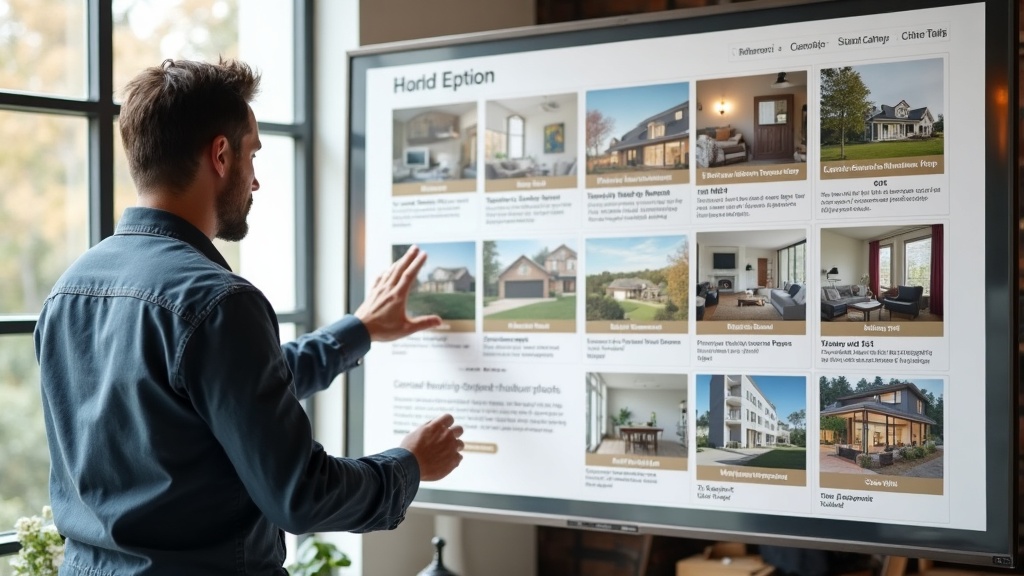
What Makes an Organic Remodeler Campaign Work Without Paid Ads?
Build one focused organic campaign around a service, season, homeowner problem, and clear conversion path.
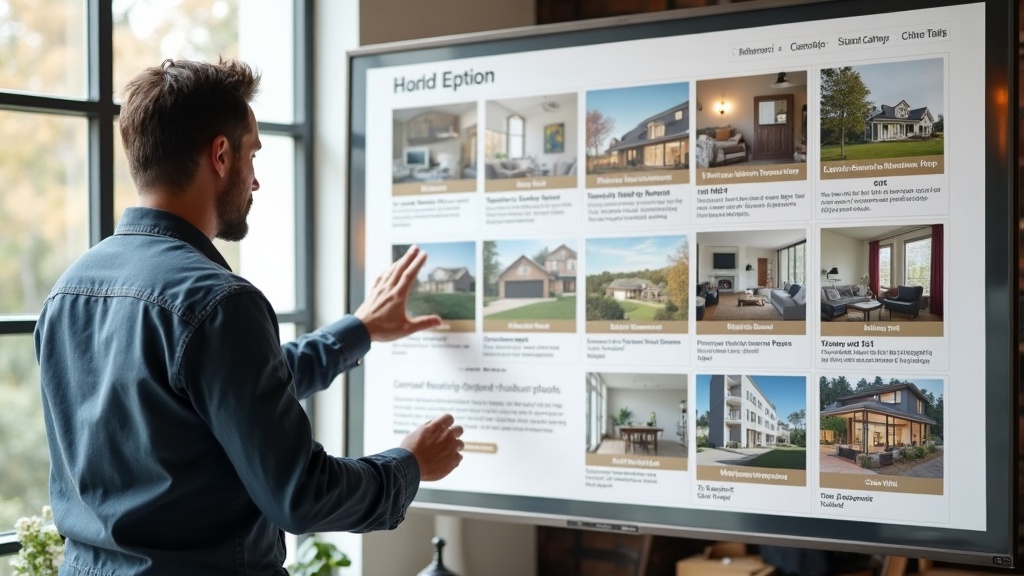
A single post does not create right-fit demand. A campaign does the quieter work of repeating the same useful message until the right homeowner is ready.
An organic remodeler campaign works without paid ads when it connects proof, education, timing, and follow-up around one clear topic. Not ten topics. One.
Here’s what that means for your outfit: if you want more bathroom remodels this fall, your social posts, website content, Google Business Profile updates, and follow-up language should all point to the same homeowner problem and the same next step.
This is not about posting more for the sake of activity. It is about turning real project proof into a pipeline asset that helps a qualified lead trust you before the call.
Why one-off posts fade fast
One-off remodeler organic marketing usually sounds like this: a finished kitchen on Monday, a team photo on Wednesday, a random tip on Friday, then silence for two weeks.
Nothing connects. The homeowner sees a post, maybe likes it, and moves on. There is no repeated message, no service focus, no path back to the website, and no reason to remember your outfit when the project becomes real.
No theme
The audience cannot tell what kind of work you want more of.
No timing
The posts ignore seasonal planning, buying behavior, and job schedule reality.
No proof path
Project photos do not connect to service pages, reviews, or FAQs.
No next step
The homeowner has no calm way to move from interest to conversation.
I see remodelers with good photos and weak campaigns all the time. The work is real, but the content behaves like loose lumber instead of a framed wall.
What an organic campaign includes
A remodeling social campaign does not need to be complicated. It needs to be connected.
- One service focus: kitchen remodels, bathrooms, basements, additions, exterior work, or design-build.
- One homeowner problem: planning timeline, budget fear, living through construction, outdated layout, or trust concerns.
- One proof set: project photos, review language, jobsite details, and process notes.
- One content hub: a blog post, service page, or resource page that goes deeper.
- One conversion path: call, form, or clear next step that matches the stage of the homeowner.
That is where social media, website content, and blog strategy need to work together. A post should not be stranded on the feed.
How to pick the campaign theme
Pick a theme by looking at your backlog, your next job, and the kind of project you want more of. Do not build a campaign around a service you cannot schedule or do not want.
- Look at capacity If your crew can take bathrooms sooner than kitchens, that changes the campaign.
- Look at margin and fit Better projects matter more than more projects. Pick the work that fits your process and pricing.
- Look at seasonality Decks, exteriors, basements, kitchens, and holiday-hosting remodels each have different planning windows.
- Look at homeowner fear The best campaign theme often answers a fear: budget, disruption, timeline, design decisions, or trust.
- Look at proof Do you have photos, reviews, and project notes to support the campaign? If not, gather those first.
Example: “Planning a bathroom remodel before the holidays?” That can become short videos, a service page update, a GBP post, a blog answer, a review post, and a clear CTA. One theme. Multiple useful touches.
How to connect social, blog, GBP, and website content
The campaign should repeat the same idea in different formats. Do not copy and paste the same caption everywhere. Reuse the point, not the packaging.
Social post
Show the problem, proof, or quick answer. Use a project photo, short clip, or carousel.
Blog post
Answer the planning question in more depth. Keep it practical and service-specific.
Google Business Profile update
Share a current project photo, service note, or review detail that reinforces local trust.
Website section
Make sure the matching service page says the same thing the campaign promises.
Follow-up message
Use the same language when someone replies, comments, or fills out the form.
A strategy calendar keeps this from becoming random. It tells you what to post, why it matters, where it links, and how it supports the pipeline.
What Bradd would measure
Organic leads are not always clean to track, but that does not mean you should fly blind. You need real numbers, not vibes.
- Service page visits during the campaign window.
- Calls, form fills, DMs, and replies tied to the campaign theme.
- Qualified lead quality by service, scope, timeline, and budget fit.
- Saved posts, comments, and direct questions from homeowners.
- Google Business Profile actions and photo engagement when available.
- Whether the campaign creates better conversations, not just more noise.
If a campaign gets attention but brings the wrong scope, change the message. If it brings good conversations but too few of them, improve distribution. If it brings leads but the website loses them, fix the landing page.
I would run one focused quarter around one service you actually want in the backlog. Proof, education, local visibility, and a calm CTA. Then I would read the pipeline, not just the likes.
Frequently asked questions
What are organic campaigns for remodelers?
Organic campaigns for remodelers are coordinated content efforts across social, website content, Google Business Profile, and follow-up that promote one service or homeowner problem without paid ads.
Can organic leads turn into real remodeling jobs?
They can support real conversations when the content shows proof, answers buying questions, and sends homeowners to a clear next step. Track lead quality, not just impressions.
How long should a remodeling campaign run?
A practical campaign can run four to eight weeks. One focused quarter gives enough time to repeat the message and measure whether it supports right-fit demand.
Should remodelers post on every platform?
Only use platforms you can maintain. It is better to connect a few channels well than to scatter weak posts everywhere.
What content should go in a contractor content campaign?
Use project proof, planning answers, FAQs, behind-the-scenes process, review snippets, service page links, and one clear next step.
What should I measure besides likes?
Measure qualified lead source, call quality, website clicks, form fills, DMs, service fit, and whether the campaign supports your job schedule.
Most remodelers I talk to are one system away from a full, steady backlog.
Book a call and let’s find yours. If your posts are scattered, I’ll help you turn one service, one season, and one homeowner problem into an organic campaign you can actually run.