
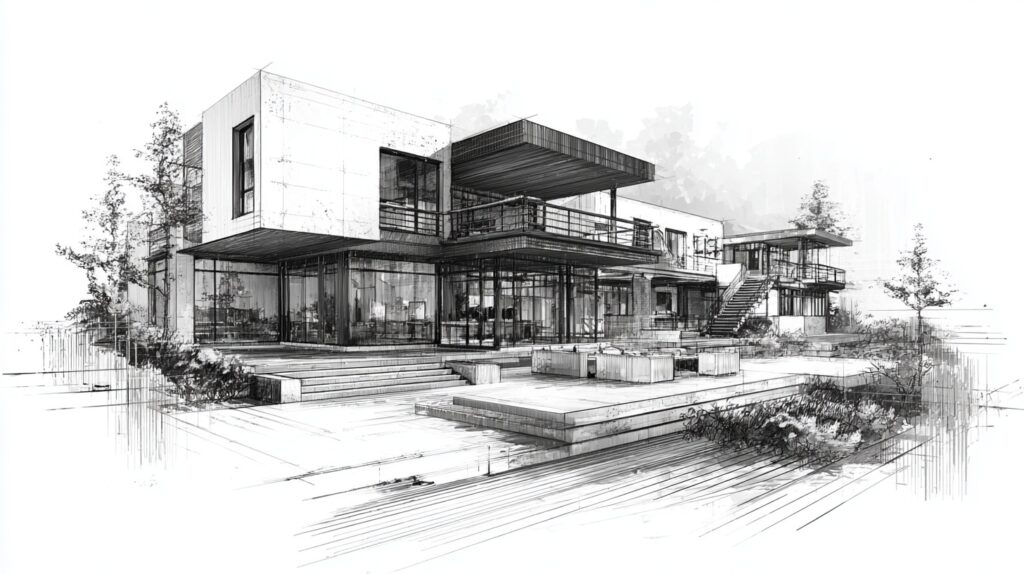
Every remodel starts with a vision. Homeowners want a space that feels personal, elevated, and worth the investment.
But great ideas still have to survive real-world constraints: structure, mechanical systems, code requirements, lead times, and the simple truth that remodel budgets are not unlimited. If you skip the feasibility conversation early, the project drifts into redesigns, change orders, and awkward tradeoffs.
This guide gives remodelers a practical feasibility review process that protects creativity while keeping projects buildable. The goal is not compromise. The goal is collaboration, clear scope, and clean decisions that keep the project profitable.
Why Design Feasibility Matters in Remodeling
Design feasibility remodeling is the bridge between a great concept and a project that can actually be built on time and on budget. When feasibility is handled early, the homeowner experience improves and the build team stays aligned.
- Fewer surprises: Structural and system constraints are identified before the client is emotionally attached to an unbuildable idea.
- Cleaner scope: Everyone understands what is included, what is excluded, and what decisions are still open.
- More confident approvals: Homeowners can say “yes” faster when the plan has been tested against reality.
- Better margins: Fewer late-stage changes usually means less rework and less schedule damage.
If your projects involve kitchens, baths, basements, additions, or any structural changes, feasibility is one of the strongest levers you can pull to reduce chaos.
The Feasibility Review Process Remodelers Can Repeat
Feasibility is not a single meeting. It is a short sequence of checks that happen while the design is still flexible. The best process is simple, documented, and easy to run for every project type.
A practical feasibility workflow (early and repeatable):
- → Start with constraints: Identify what must stay, what can move, and what has unknowns (structure, mechanical, plumbing, electrical).
- → Run a structural check: Confirm load paths, wall changes, openings, and what triggers engineering input.
- → Align on remodel budgets: Set a realistic range and clarify what is driving cost (scope, finishes, systems, custom work).
- → Confirm build approach: Define how the design will be built and in what sequence, especially for phased remodels.
- → Lock scope and decision rules: Capture what is approved and what changes will affect price and schedule.
Design build communication is the thread that ties this together. The more clear the handoff between design intent and build intent, the smoother the entire project runs.
Early Engineer Input Without Slowing the Project Down
Many remodelers avoid engineering conversations because they think it will slow the design down. In practice, the opposite is usually true. A small amount of early input can prevent weeks of redesign later.
|
Know When to Bring in Engineering
Common triggers: Removing walls, widening openings, changing roof loads, adding beams, moving stairs, or changing foundations.
Why it helps: You confirm what is possible before the homeowner falls in love with a layout that cannot work. |
|
Use Concept-Level Guidance First
What it means: You do not always need final engineering in week one. You often need directional input: can we do this, and what will it require?
Why it works: It keeps momentum while protecting feasibility. |
|
Capture “Assumptions” in Writing
What it does: Defines what is known vs unknown at the concept stage.
Why it matters: It prevents disputes later when a constraint shows up during demo. |
Structural Checks That Keep Creative Ideas Buildable
Structural constraints do not kill creativity. They define the sandbox. Once you know the limits, you can still design bold spaces, but you do it with clarity and control.
-
Validate the “big moves” first
Before spending time on finishes, confirm the layout changes that matter most: walls, openings, stairs, and any addition footprint changes. -
Confirm what is load-bearing and what is not
Avoid assumptions. Even experienced teams get surprised when framing differs from expectations. -
Flag risk areas during the site review
Look for signs of structural complexity: spans, sagging, previous DIY changes, water damage, or odd framing transitions. -
Decide how you will handle unknowns
For older homes, set expectations upfront. Some answers only appear after selective demo or deeper inspection.
Feasibility becomes easier when your internal workflow supports it. These two resources pair well with a feasibility-first approach:
- Keeping the project moving: Design Workflows That Keep Remodeling Projects on Schedule
- Reducing handoff friction: Integrating Design and Construction Teams
Budget Alignment That Protects the Design
Budget is not the enemy of good design. Unclear budget is. When remodel budgets are not discussed honestly, the project drifts into either frustration or constant scope cuts.
Budget alignment that keeps trust high:
- → Set a realistic range early: A range gives room for discovery while still guiding decisions.
- → Separate “must-haves” from “nice-to-haves”: This makes tradeoffs easier without breaking the vision.
- → Explain what drives cost: Scope, systems, custom work, and finish levels usually matter more than one single item.
- → Use option tiers: Present a good-better-best approach so the homeowner sees choices, not limitations.
- → Document assumptions: If something is a placeholder, say it clearly so expectations stay grounded.
If material choices are a common budget swing point, this resource can help you guide decisions without backtracking:
Scope Clarity That Prevents “Design Drift”
Scope drift usually starts as small, reasonable requests. One extra built-in. One more lighting change. One more layout tweak. If those changes are not tracked and priced clearly, the project becomes harder to manage and harder to profit from.
|
Define What Is Included and What Is Not
What it does: Sets expectations before the client fills in gaps with assumptions.
Why it works: It protects schedule, budget, and trust. |
|
Clarify Who Owns Each Decision
What it does: Assigns responsibility for selections, approvals, and lead time items.
Why it works: Fewer bottlenecks, fewer “we thought you were handling that” moments. |
|
Set Simple Change Rules
What it does: Creates a clean standard: after approval, changes affect budget and timeline.
Why it works: Homeowners still feel supported, but the process stays disciplined. |
A Simple Feasibility Checklist You Can Use on Every Project
To keep feasibility from turning into a long process, run the same checks on every project. The checklist below works as a quick internal review before a client presentation or final concept approval.
-
Structure
Confirm load-bearing impacts, spans, openings, and what requires engineering input. -
Systems
Identify plumbing, electrical, and HVAC constraints, plus any moves that change cost and complexity. -
Code and permitting
Flag areas likely to require approvals and plan for how that impacts schedule. -
Budget fit
Ensure the concept aligns with remodel budgets and clarify which items are placeholders vs final. -
Scope and schedule
Document what is included, what is excluded, and what decisions must be made before ordering or demo.
If you want feasibility decisions to support lead quality and close rates, your website and content should reinforce the same clarity. These resources help build that system:
- Conversion foundation: Remodeling Website That Converts
- Client trust and proof: Project Portfolios That Win Clients
- Clear next steps: Calls to Action That Convert
- Local demand capture: Local SEO for Remodelers
How GYRO Helps Remodelers Sell Better Projects Without Added Marketing Overhead
GYRO is a growth platform built for remodelers and home-improvement brands that want steady demand without building a big marketing team. It combines strategist oversight with an AI-powered content engine, so your visibility compounds without adding chaos.
For remodelers, that means your best process wins get translated into content that homeowners understand. When your messaging reflects feasibility and professionalism, you tend to attract better-fit clients who value planning, not just price shopping.
With GYRO, you can turn your process into a repeatable growth system:
- SEO-aligned content that targets profitable work and homeowner intent.
- Clear service positioning that sets expectations around scope, planning, and buildability.
- Website and content systems that guide visitors to consults and qualified inquiries.
- Strategist review to keep tone, accuracy, and brand trust consistent.
If you want to see how this connects to your site foundation, start here: Website Design and Development.
Want Fewer Redesigns and Smoother Builds?
A feasibility-first process helps you protect creative design while keeping projects buildable, on budget, and easier to manage.
If you want help turning your process into content that attracts higher-quality leads and supports higher close rates, GYRO can help.
Key Takeaways
Feasibility Protects Creativity and Profit
- Design feasibility remodeling reduces rework by testing ideas early against real constraints.
- Early engineer input can speed projects up by preventing late-stage layout reversals.
- Budget clarity protects the design by making tradeoffs intentional, not reactive.
- Clear scope and change rules reduce drift and keep projects easier to manage.
- Strong design build communication keeps homeowners, designers, and the build team aligned.
The best projects are not the ones with the biggest ideas. They are the ones where creative intent and construction reality stay aligned from day one.